Leather Care & Maintenance
How to clean, condition, store and rescue a leather bag — step by step, with the products worth buying and the mistakes worth avoiding.
A leather bag is one of the few things you own that gets better with use — but only if you meet it halfway. Leather is skin, and like skin it dries out, stains, and grows mold when it is left damp. Give it a little attention a few times a year and a decent bag will outlast a drawer full of synthetic ones. Ignore it, let it bake in a hot car or sit in a humid closet, and even a beautifully made hide will crack, stiffen, or bloom with mildew.
This is the practical, buyer-first side of The Patina Bench. Everything here is a step-by-step routine you can do at home with a soft cloth and an honest product, plus the plain truth about the jobs that are better left to a professional. Start with the two how-tos below — cleaning and conditioning are the whole game — then use the conditioner roundup when you are ready to buy something. Nothing here asks you to spend more than the job needs.
Everything in Care
How to Clean a Leather Bag
A safe, step-by-step routine for cleaning a leather bag at home — including what to do about mold and ink.
How to Condition a Leather Bag
How often to condition, how much to use, and the step that keeps a leather bag from drying out and cracking.
Best Leather Conditioners for Bags
The conditioners and cleaners worth buying — including the one that won't darken light leather.
Our top pick
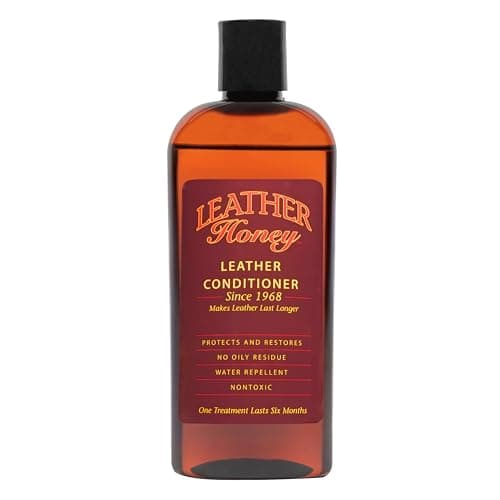
Leather Honey Leather Conditioner
How to Store a Leather Bag
Storage is where most leather bags are quietly ruined — humidity, stuffing, dust bags and the plastic mistake.
How to Remove Scratches from a Leather Bag
What actually buffs out, what only looks like a scratch, and when to stop before you make it worse.
Leather Bag Problems, Solved
Peeling, mold, musty smells, stickiness, water marks and ink — what each symptom means and what to do about it.
Leather Conditioner vs Mink Oil vs Saddle Soap
Three products people use interchangeably on bags — only one of them belongs on most handbags, and we say which.
Our top pick
Leather Honey Leather Conditioner
Best Leather Protector Sprays for Bags
The repellents worth owning, what they genuinely do, and the plain fact that none of them makes leather waterproof.
Our top pick
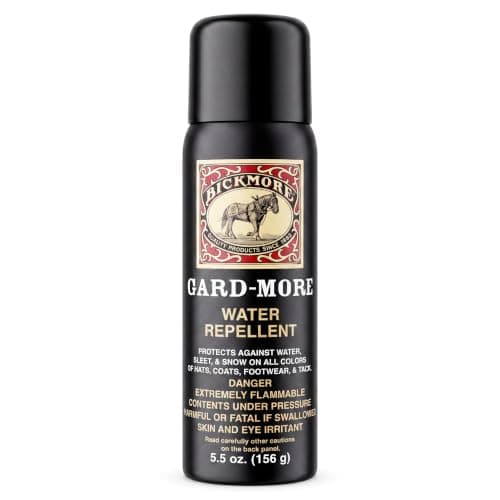
Gard-More Water & Stain Repellent (Leather & Suede)
$16.99 · View on AmazonPrice as of October 20, 2026. #ad How we’re funded
How to Waterproof a Leather Bag
How far you can actually get, the step-by-step that works, and what to do the moment a bag gets soaked.
Best Suede & Nubuck Care Kits for Bags
Suede needs the opposite of everything smooth leather wants — the right tools, and the products that would ruin it.
Our top pick
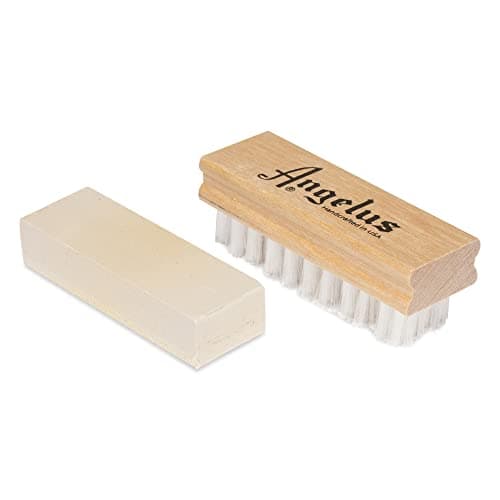
Angelus Suede & Nubuck Cleaner Kit (Eraser + Brush)
$9.95 · View on AmazonPrice as of October 20, 2026. #ad How we’re funded
Leather Honey Conditioner Review
The conditioner we recommend most, examined honestly — including the darkening that makes it wrong for some bags.
Our top pick
Leather Honey Leather Conditioner
Best Leather Cleaners for Bags
Cleaning is the step people skip, and it is the one that decides whether conditioning helps or seals the dirt in.
Our top pick
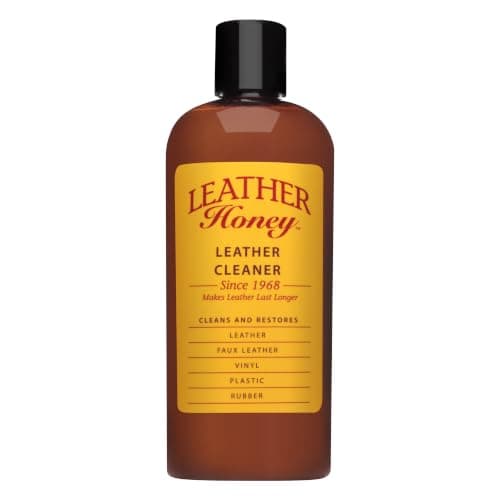
Leather Honey Leather Cleaner
How to Get Mold Off a Leather Bag
White bloom, green fuzz, that basement smell — the full procedure, in the order that stops it coming back.
How to Get the Smell Out of a Leather Bag
Musty, smoky, chemical or fishy — each smell has a different cause, and only one of them is fixed by airing the bag out.
How to Care for Patent, Lambskin and Nappa Bags
Three finishes that punish the standard routine — what to use on each, and the product that will ruin all of them.
Leather Bag Care Starter Kit
Four things, bought once, that keep a leather bag alive for a decade — and the ones the internet will sell you that a handbag genuinely does not need.
Our top pick
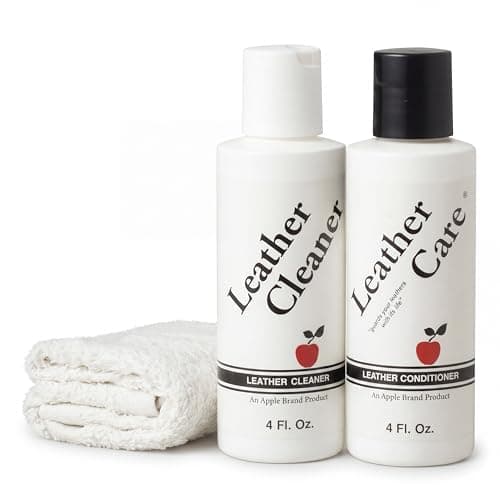
Apple Brand Leather Cleaner & Conditioner Kit
$16.99 · View on AmazonPrice as of October 20, 2026. #ad How we’re funded
Best Leather Repair Kits for Bags
Six repair products matched to the damage a bag actually gets — scuffs, a cut, a worn edge, a lifted lining — and the plain rule for when to stop and see a restorer.
Our top pick
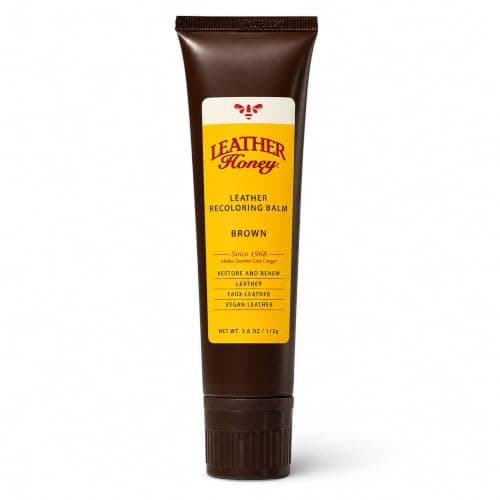
Leather Honey Recoloring Balm (Brown)
Leather Honey vs Bick 4
The two conditioners people actually choose between — which one darkens, which one breathes, and the single question that settles it.
Our top pick
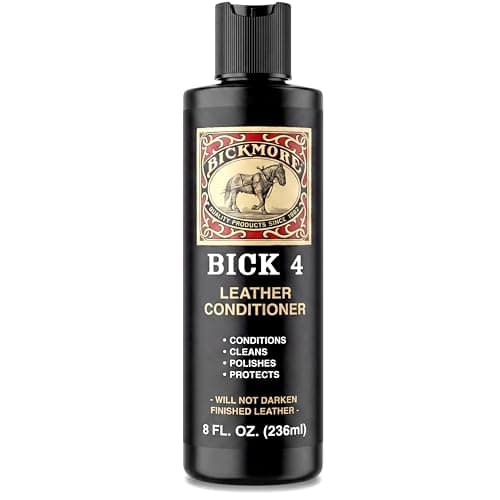
Bick 4 Leather Conditioner & Cleaner
Leather Honey vs Lexol
An oil-rich soak the maker says lasts six months, against a light-coat spray you keep reapplying — plus the color claim Lexol makes for one product and not the other.
Our top pick
Leather Honey Leather Conditioner
Bick 4 vs Lexol
One bottle that claims it will not darken your leather against one that tells you to spot-test before every use — and the two-step cost both makers quietly assume.
Our top pick
Bick 4 Leather Conditioner & Cleaner
Your Leather Bag Got Wet: What to Do Now
The first hour matters more than the product. How to dry a soaked leather bag without cracking it, and how to deal with the water line afterwards.
Our top pick
Bick 4 Leather Conditioner & Cleaner
Can You Wash a Leather Bag?
Not in a machine, not with dish soap, and not under a tap. What each of those actually does to tanned hide, and the four bottles that do the job properly.
Our top pick
Leather Honey Leather Cleaner
Sun and Heat Damage on a Leather Bag
A hot car does more damage in an afternoon than a year of carrying. What UV and heat take out of a hide, what comes back, and what does not.
Our top pick
Leather Honey Leather Conditioner
Leather Bag Strap and Handle Repair
Worn edges, sticky handles, pale raw leather and a strap that has actually failed are four problems. Three you can fix at home; one you cannot.
Our top pick
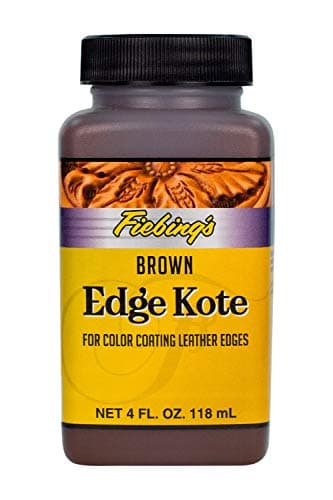
Fiebing's Edge Kote (4 oz, Brown)
$9.99 · View on AmazonPrice as of October 20, 2026. #ad How we’re funded
Leather Bag Zipper Repair
Most stuck zippers are dirty, not broken, and the fix is free. What to try in order, and the point at which a slider has to be replaced.
Our top pick
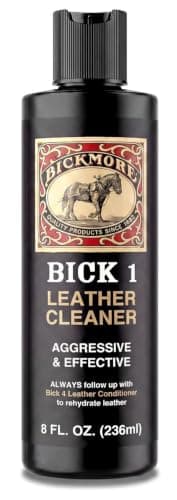
Bickmore Bick 1 Leather Cleaner (8 oz)
Leather Bag Corner and Edge Wear
Corners go first on every bag ever made, for a reason you can see in the construction. What to repair, what to protect, and what to leave alone.
Our top pick
Fiebing's Edge Kote (4 oz, Brown)
$9.99 · View on AmazonPrice as of October 20, 2026. #ad How we’re funded
Leather Bag Hardware Care and Repair
Nearly all bag hardware is plated, and polishing a plated finish removes it. The mildest-first way to clean tarnished rings and pulls, plus the repairs worth attempting.
Our top pick
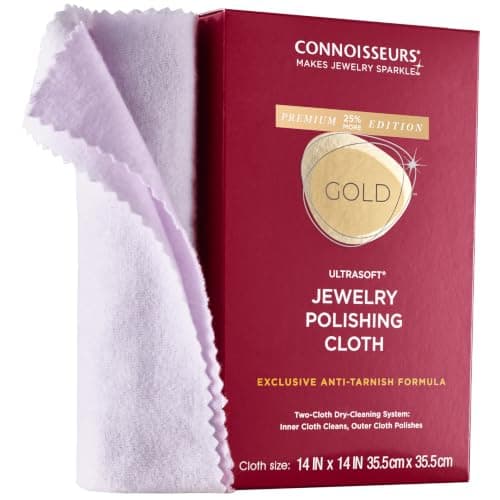
Connoisseurs Extra Large Polishing Cloth for Gold Jewelry (14 x 14 in)
$9.99 · View on AmazonPrice as of October 20, 2026. #ad How we’re funded
How to Remove Ink from a Leather Bag
A burst pen in a bag is a race against absorption. What to do in the first minutes, what works on a set-in mark, and when to stop before you make it worse.
Our top pick
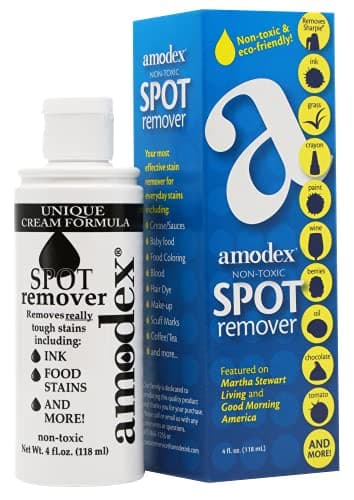
Amodex Ink & Spot Remover (4 oz)
$12.98 · View on AmazonPrice as of October 20, 2026. #ad How we’re funded
The leather-care basics that actually matter
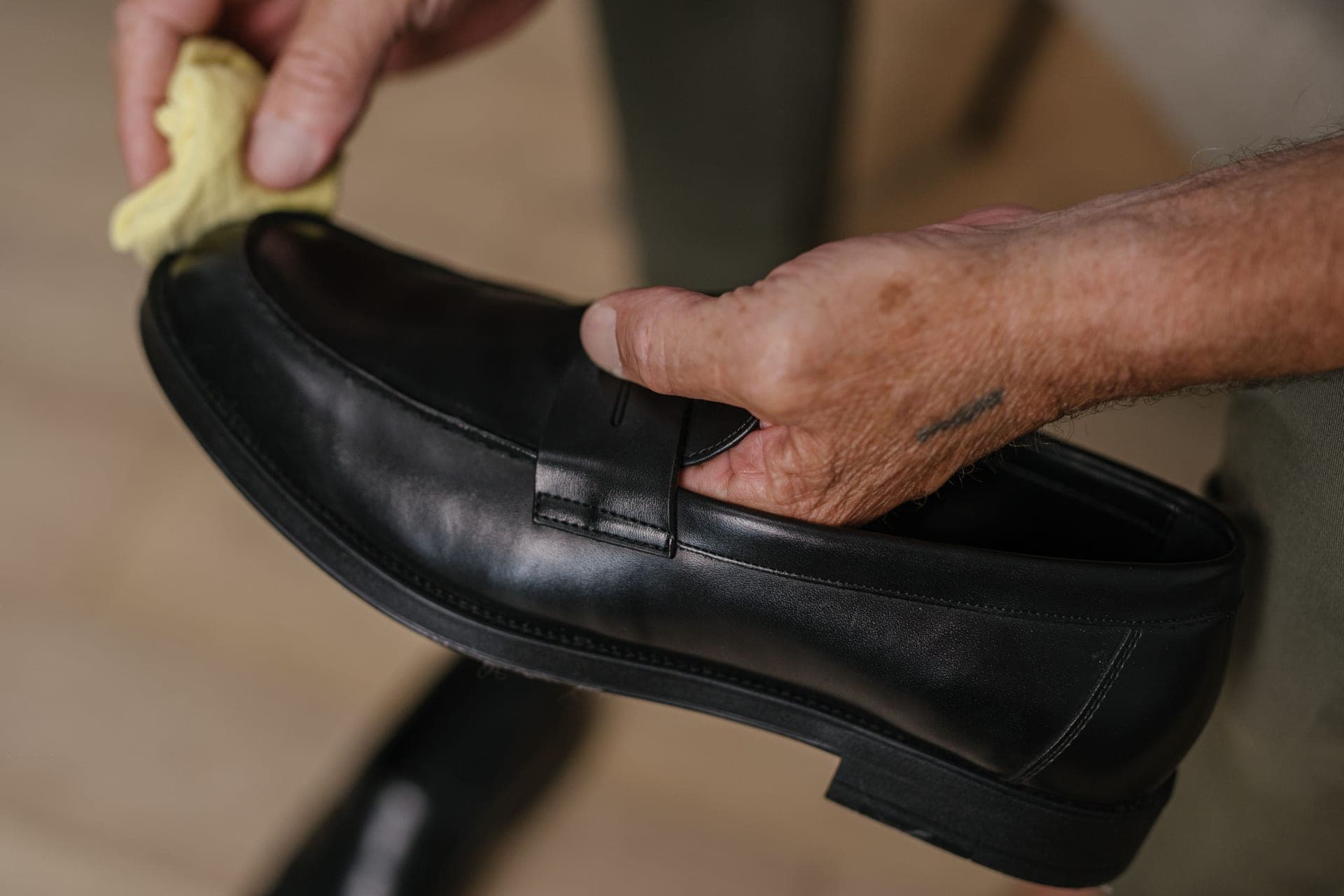
Most leather care comes down to three habits: keep the bag clean, keep it from drying out, and keep it out of trouble the rest of the time. Cleaning removes the grit and body oils that grind into the grain and dull the finish. Conditioning replaces the natural oils that leave as the leather ages, which is what keeps it flexible instead of brittle. Storage is the quiet third: leather is naturally acidic, sitting around pH 4 to 5, and it deteriorates faster in heat and damp air. Conservation guidance for leather artifacts is consistent on the point — hold humidity down (below roughly 65 percent relative humidity mold starts to take hold), keep the bag out of direct sun and away from radiators, and let it breathe rather than sealing it in plastic.
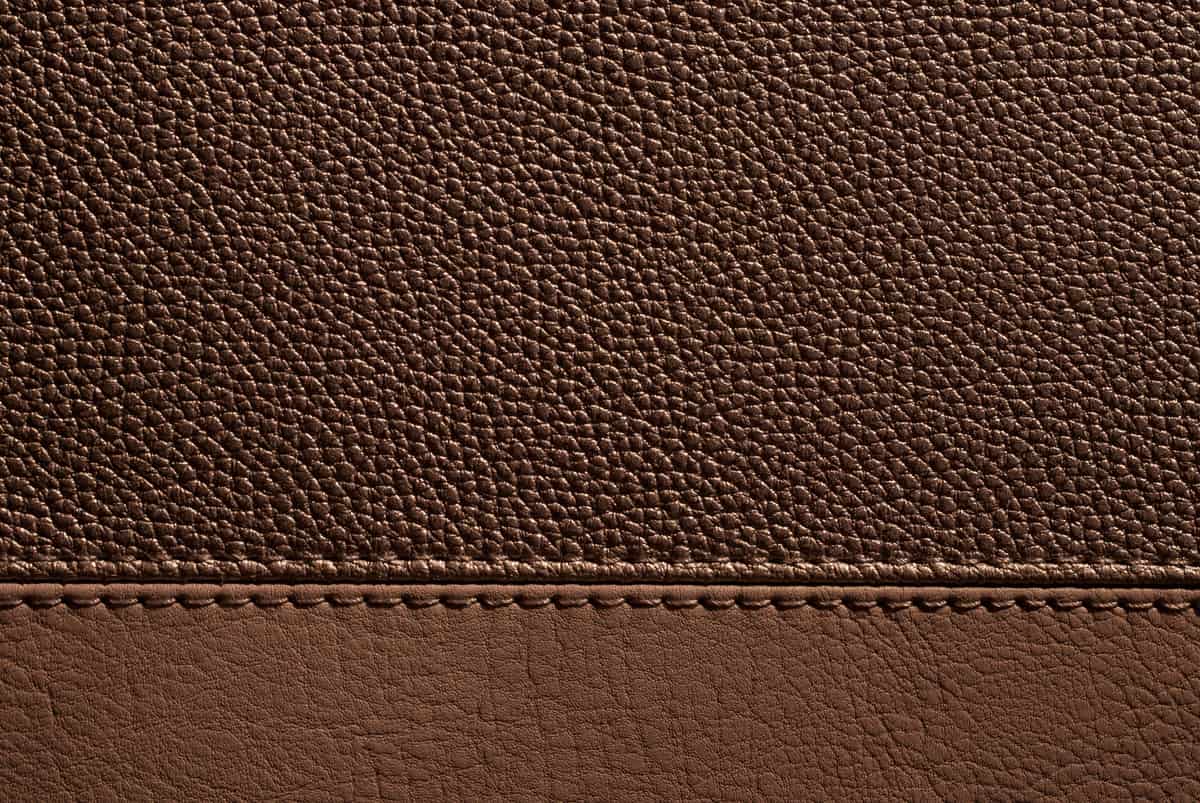
You do not need a shelf of specialty products. A barely-damp cloth, a gentle leather cleaner, one good conditioner, and a dust bag or an old pillowcase cover almost everything. The finish on your bag matters more than the brand of product: smooth full-grain and top-grain leathers take cleaning and conditioning well, while suede, nubuck, and exotic or heavily-dyed leathers have their own rules and are the easiest to ruin with the wrong bottle. That is another argument for knowing exactly what you bought: good leather bag reviews name the grade and the finish, and that one detail decides most of what your care routine will look like. When in doubt, do less and test first.
How often to clean and condition
For a bag in regular rotation, a quick wipe-down every few weeks and a deeper clean once or twice a year is plenty. Conditioning is a seasonal job, not a weekly one: every three to six months, or simply whenever the leather starts to look dry, feel stiff, or drink in a drop of water instead of beading it. A bag that lives indoors and rarely sees weather needs less; one that rides on your shoulder through winter needs more. The honest answer is that you condition on the leather’s schedule, not the calendar’s — learn to read when it feels thirsty and you will never over- or under-do it.
The mistakes that ruin a bag
The two most common ways people damage a leather bag are both forms of trying too hard. The first is heat — drying a wet bag with a hairdryer or on a radiator, which shrinks and cracks the fibers. Let leather dry slowly at room temperature, away from any heat source. The second is over-conditioning. It feels caring to slather on oil or conditioner, but museums and conservators deliberately keep treatment to a minimum because too much softens and darkens leather, clogs the grain, and can leave a tacky, over-fed surface that attracts dirt. A thin coat, worked in and buffed off, is the whole technique. The rest of the damage list is short: skipping the spot-test, using household soaps or baby wipes with alcohol, and letting a damp bag sit long enough to grow mold. Avoid those and the routine below will keep a bag looking its age in the best possible way.