First, name the damage
Every wrong repair we have seen described starts with the wrong diagnosis: a filler used on a scuff, a glue used on a strap, a balm used on leather that cannot absorb it. Before any product, hold the bag in daylight and decide which of these five you are looking at. Each maps to one pick on this page, and only one.
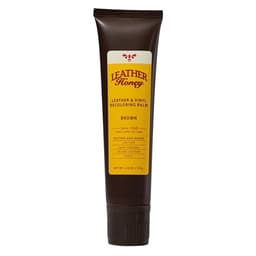
- Color loss with no depth.Corners, the base, the spot where the strap rubs. The leather is intact but pale. This is the recoloring balm’s job, and on a brown bag the Leather Honey is where to start.
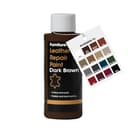
- Color loss on leather that beads water. Same look, different surface. If a drop of water sits on the bag instead of soaking in, the leather is sealed and a balm will struggle to bond. That is what the Furniture Clinic repair paint is for.
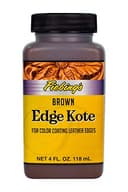
- A worn painted edge.The handle or strap edge has gone pale, rough or cracked. This is by far the most common damage on a well-used handbag, and it is not a scratch: it is edge paint wearing through. Fiebing’s Edge Kote fixes exactly this and nothing else.
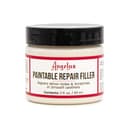
- A mark that catches your fingernail. A cut, a small hole, a gouge. Material is missing, and no color product can put it back. Only a filler can, and the Angelus is a two-stage job: fill, dry, then color over it.
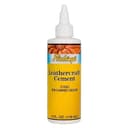
- Something has come unstuck.A lifted edge, a lining peeling away, a piece of piping loose. That is an adhesive job, and the Fiebing’s cement is the leather-specific one rather than a super glue.
Anything not on that list, which includes a torn strap, a broken handle, a failed zip, cracked or lifting finish across a whole panel, mold, and any damage to suede, patent or exotic leather, is covered in the last section of this page, and the honest answer for most of it is a restorer. Our troubleshooting guide walks through the symptoms that are not repairs at all.
How we ranked them
1. A listing that says what it is for
This category is sold to furniture owners, and a listing’s own list of surfaces tells you how much thought the maker has given to a small, flexing, hand-held object. So we recorded it for every pick. Three listings here name bags outright: the Furniture Clinic repair paint says “handbags,” and both Fiebing’s products say “purses” and, for the Edge Kote, “bags.” The Leather Honey balm says “accessories.” The Furniture Clinic balm and the Angelus filler name only furniture, car seats and shoes, and their cons say so. None of that makes a product unsuitable, but it changes how carefully you should test.
2. The least drastic fix first
A recoloring balm is buffed on and buffed off; if you dislike the result on the base of the bag, you have lost very little. A paint cures on the surface and changes the feel of the leather where it sits. A filler adds material that has to be colored over. We ranked in that order deliberately, and our advice is to work through it in that order too: try the balm on color loss before the paint, and never reach for the filler on a mark that is only pale.
3. A brand with a track record
Leather Honey has made leather care since 1968 by its own account; Fiebing’s and Angelus are the two names any leatherworker will recognize from a craft supply shelf, and Angelus states it has been in business since 1909. Furniture Clinic is a leather-restoration brand whose listing states its balm carries the Good Housekeeping Seal. The dozens of near-identical ten-color kits from storefront brands were left out, and the section on exclusions says why.
4. In stock, at a live price
Every pick was in stock with a live price on September 20, 2026. Prices on this page update automatically; if one ever shows “Check price,” the live feed could not confirm it that day, and we would rather say that than show a stale number.
The water-drop test: balm or paint
The single most useful thing on this page comes from Furniture Clinic’s own restoration-kit listing, which states plainly that its recoloring balm is for absorbent leather only: if a drop of water soaks into an undamaged area, the balm is suitable. The reverse is the part most buyers miss. A great many handbags are made of pigmented, finished leather with a sealed top coat, which is what makes them wipe-clean and resistant to rain. Water beads on it. A balm that needs to soak in has nowhere to go on that surface, and the result is a smear that comes off on your coat.
So do the test before you order anything for color loss. Put one drop of water on an unmarked part of the bag, somewhere low, and watch it for a minute. If it darkens the leather and disappears, the leather is absorbent and either balm on this page will work; choose the Leather Honey for a plain brown bag or the Furniture Clinic if you need to match a medium or dark brown or a black. If the drop sits there as a bead, the leather is finished, and the repair paint is the product built for it. If you are unsure which leather your bag is at all, our guide to leather types explains aniline, semi-aniline and pigmented finishes, which is the distinction this test is really measuring.
What we left out, and why
The ten-color couch kits. COCONIX and a dozen storefront brands sell the same idea: a set of colored fillers and a mixing guide, fourteen pieces in the COCONIX box by its own count, sold for furniture, car seats, sofas and marine upholstery. They exist to rebuild a cat-scratched sofa arm, and for that they may be fine. On a bag they are the wrong tool three times over: the colors must be mixed to match, the filler is designed for a flat panel that does not flex in the hand, and for similar money a single purpose-made product does each job better. The one on this page that does fill, the Angelus, is a filler alone, so you choose your own color product to go over it.
Sewing awl kits. A hand-stitching kit with waxed thread and a curved needle can genuinely close a seam, and if you already know how to saddle stitch you do not need this page. If you do not, the seams a bag fails at are the ones carrying its weight, at the strap anchors and handle roots, and a first attempt at hand-stitching is not the place to learn. A cobbler will re-stitch a strap anchor for less than the cost of the bag and far less than the cost of a strap that lets go on a station platform.
Super glue.Cyanoacrylate bonds instantly, dries rigid and white-blooms on dark leather. Every one of those is wrong for a material that bends. The Fiebing’s cement is here because it is a flexible, water-based leather adhesive that dries clear, which is the opposite on all three counts.
“Faux leather repair kits.” Peeling on a bag that was sold as leather is usually a coated synthetic delaminating, and no product reverses that; the top layer is gone. If your bag is peeling in sheets, our guide to spotting fake leather will probably confirm what has happened, and the honest advice is to spend the kit money toward a replacement.
Anything for suede or patent. Nothing on this page belongs on napped leather or on a high-gloss finish. Suede has its own kit in our suede and nubuck care roundup, and patent damage is almost always coating damage that a consumer product cannot repair, as our patent and specialty leather guide explains.
Which one to buy
For a scuffed or faded brown bag, the Leather Honey Recoloring Balm. Do the water-drop test first, spot-test on the base, apply a thin layer with the built-in sponge, let it dry and buff. It is one shade of brown, so on a tan or cognac bag expect the treated area to come out darker; on a chestnut or chocolate bag it is the easiest repair on this page. If the bag is black, the same product is sold in black.
For a bag that beads water, the Furniture Clinic Leather Repair Paint. Sixteen colors, brush or sponge application, handbags named on the listing, and a self-sealing finish. It is paint, so use the least you can: thin coats, feathered out past the damage, and a full day before the panel touches clothing. This is also what goes over a filled repair.
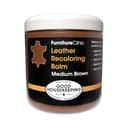
For absorbent leather where the shade matters, the Furniture Clinic Recoloring Balm. Medium brown, dark brown and black are separate listings, which is a better match than one brown for a bag whose color you care about. Its listing never mentions a bag, and its own absorbency rule is strict, so this is the pick for a vegetable-tanned or aniline bag and not for a wipe-clean one.
For worn handle and strap edges, Fiebing’s Edge Kote. Scrape the flaking old edge paint smooth, then two thin coats with a fine brush you buy separately, because this listing does not describe an applicator. It dries semi-gloss, so a matte edge will be a touch shinier where repaired. Four colors cover almost every bag: brown, dark brown, black and neutral.
For a cut or hole, the Angelus Leather Filler, then the paint. Fill in thin layers, level with the surface, let it dry fully, then color it with the repair paint above. Keep the repair small. A filled spot on a bag flexes constantly, and the listing itself scopes this to minor holes and scratches. A cut longer than a fingernail is a restorer’s job.
For anything that has come unstuck, Fiebing’s Leathercraft Cement.Lifted edges, a peeling lining, loose piping. Coat both surfaces thinly, press, and weight it while it sets. It will not hold a strap that carries the bag’s weight, and it should not be asked to.
If you only want to own one thing from this page as insurance, make it the Edge Kote in your bag’s edge color. Worn edges are the damage almost every leather bag eventually gets, the fix is cheap, and it is the repair that most changes how old a bag looks. Everything else can be bought when the damage actually happens. For the four everyday products a bag needs before it is ever damaged, our care starter kit is the shorter list.
When a kit is the wrong answer
A repair product is for a small, defined fault on a bag you would rather keep than replace. It is not for any of the following, and using one on them turns a fixable problem into an expensive one.
- A torn or tearing strap, or a handle pulling away. Load-bearing leather is stitched, not glued or filled. A cobbler or leather repairer will re-stitch or replace it, usually the same week.
- A failed zipper. No kit here touches hardware. Zips are replaceable, and our hardware guide explains why a zip, not the leather, ends most bags’ working lives.
- Finish cracking or lifting across a whole panel. That is the top coat failing, not a scuff, and a whole-panel refinish is a professional spray job with a stripped and re-sealed surface. A balm on top of it comes off with the old finish.
- Mold, smell or stickiness. Not damage to repair but a condition to treat, and each has its own guide on this site, starting with mold removal.
- A valuable, vintage or designer bag. Any consumer color product is permanent and any restorer will tell you it makes their job harder. Get a quote before you open a jar.
One more thing a repair product is not: a substitute for the boring routine. A bag that is cleaned and conditioned two or three times a year, and stored stuffed and out of plastic, is a bag whose corners do not scuff through and whose edges do not crack. Our conditioning guide and storage guide are the cheapest repair kit there is.