How to choose a leather conditioner
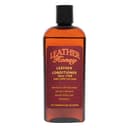
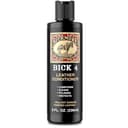
Start with the color of your bag. Darkening is the number-one complaint about conditioners, and it hits lighter, undyed, and vegetable-tanned leathers hardest. If you own a pale or natural-tan bag you want to keep light, choose a formula designed not to darken and spot-test it anyway. If your bag is already mid-brown or black, most conditioners are safe and you can pick on feel and finish instead. Most people end up weighing the top two picks against each other on exactly this point, so we compared them directly in Leather Honey vs Bick 4.
Conditioner, kit, or cleaner-conditioner combo?
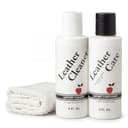
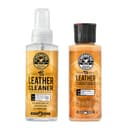
A plain conditioner feeds leather that is already clean — the right choice for routine, few-times-a-year upkeep. A kit that pairs a cleaner with a conditioner is better value if you are starting from scratch or your bag actually needs cleaning first, because you always clean before you condition. A combined cleaner-conditioner is the pick for a neglected, grimy, or thrifted bag you want to bring back in one pass, though a dedicated two-step will always beat an all-in-one on a really dirty piece.
The mistake buyers make
The most expensive mistake is not choosing the wrong bottle — it is using too much of the right one. Leather absorbs only so much, and the surplus sits on top, turns tacky, darkens the finish, and attracts dirt. Conservators keep treatment deliberately minimal for exactly this reason. Whatever you buy here will last far longer than you expect, because the correct dose is a thin coat on a cloth, buffed off, two or three times a year. If you are unsure how, our conditioning how-to walks through it step by step.
Two head-to-heads if you have narrowed it to a pair
Most people arrive here already deciding between two bottles rather than ten. We have taken the two most common pairings apart in detail: Leather Honey versus Bick 4 is the one to read if darkening is your main worry, because only one of those two states in writing that it will not darken leather. And Leather Honey versus Lexol is the one to read if the question is really about maintenance habits — those two are not rival formulas so much as opposite application philosophies, one a twice-a-year soak and the other a light coat you keep reapplying.
Two of the bottles above also face each other directly. Our Bick 4 versus Lexol comparisontakes that pairing apart on what each maker is willing to publish about its own product — a non-darkening claim and a wax statement on one side, a light-coat method and an instruction to spot-test before every use on the other.