The Patina Bench

Leather Bag Corner and Edge Wear

A corner is the one place on a bag where thinned leather, the end of a seam and the first point of contact all coincide. That is why it fails first, on every bag, at every price.

By Stephen V.Last updated How we pick

The first thing to buy

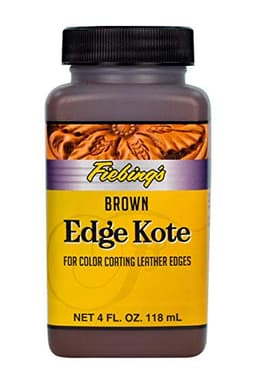
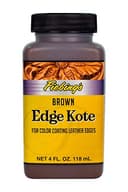
Fiebing's Edge Kote (4 oz, Brown)

Fiebing's Edge Kote (4 oz, Brown)

$9.99 · View on Amazon

Price as of October 19, 2026. #ad How we’re funded

Before you treat a corner as damaged leather, check whether what you are actually looking at is worn edge paint— the coloured finish applied to the cut edges of the panels, which wears off at the corners first because that is where the bag makes contact with the world. Renewing it is maintenance rather than repair, and it transforms how a used bag looks for the price of one small bottle. Fiebing’s is the leathercraft-supply standard, its listing names purses and bags, and it dries flexible and water-resistant, which matters on an edge that flexes. Scrape the old flaking layer smooth first — new paint over a lifting old layer peels with it — then two thin coats, kept strictly on the edge.

Read the full write-up

Look at any bag that has been used for three years and the damage will be concentrated in the same places: the bottom corners, the edges of the flap, the end of the handle fold. That is not a sign of a badly made bag. It is a consequence of how bags are built, and three things coincide at a corner:

  • The leather there is deliberately thinner.Panel edges are skived — thinned — so that seams lie flat instead of forming a lump. The strongest-looking part of the bag is therefore made of the thinnest leather on it.
  • It is where seams end. Stitch lines start and stop at corners, and the end of a stitch run is always the most vulnerable part of it.
  • It touches everything. A corner is the outermost point of the bag in two directions at once, so it takes every door frame, car seat, café floor and pavement set-down the bag ever meets.

The verdict first. Corner wear falls into four states, and only the first two are genuinely fixable at home. Work out which one you have before you spend anything, because using the wrong product makes a tidy worn corner look like a bad repair. Prices on the products below are read live from the listings.

  1. Edge paint worn or flaking, leather intact— edge paint. The most common state by a wide margin.
  2. Leather abraded pale but still whole— a recolouring balm on absorbent leather, a repair paint on sealed leather.
  3. Leather worn through, fibres showing or a hole— filler first, then colour, and accept the repair is cosmetic.
  4. Stitching gone at the corner— a repairer. No product on this page addresses it.

How this is funded:we earn a commission if you buy through our links, at no extra cost to you. It never changes which product we recommend, and we’ll tell you when we’d skip one. Full disclosure.

Quick picks

Ranked on leather grade, construction, capacity and value. Select a row to jump to the full write-up. We have not wear-tested these bags — here is exactly what we do instead.

Specs are what each listing itself publishes, read on September 20, 2026; anything a listing does not state reads “Not published” rather than a guess. Prices are live as of October 19, 2026.

#ProductWhat it isBest forPrice
1
Fiebing's Edge Kote (4 oz, Brown)

Fiebing's Edge Kote (4 oz, Brown)

The fix for the most common damage on a well-used handbag, which is not a scratch at all: the painted edge on the handles and strap wearing pale and rough. Fiebing's is the leathercraft-supply name for edge finishing, the listing names purses and bags outright, and a 4 oz bottle will re-edge a bag several times over.

Edge coatingBest for worn edges
$9.99 · View on Amazon

Price as of October 19, 2026. #ad How we’re funded

2
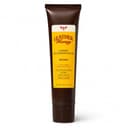
Leather Honey Recoloring Balm (Brown)

Leather Honey Recoloring Balm (Brown)

The color-restoring product from the brand whose conditioner we recommend most on this site, and the one to reach for when a brown bag is scuffed pale at the corners rather than cut. The listing states a vegetable-based, non-toxic formula with no color transfer once dry and a built-in sponge applicator; what it does not say is 'handbag', so spot-test as if it were any other pigment.

Recoloring balmBest for pale, absorbent leather
$19.99 · View on Amazon

$29.9933% off

Price as of October 19, 2026. #ad How we’re funded

3
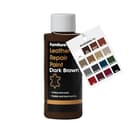
Furniture Clinic Leather Repair Paint, Color and Finish (Dark Brown, 1.7 oz)

Furniture Clinic Leather Repair Paint, Color and Finish (Dark Brown, 1.7 oz)

The only color product on this page whose listing says the word 'handbags', and the right one for the leather most bags are actually made of: sealed, pigmented hide that a balm cannot get into. It is a paint-and-finish in one, applied by brush or sponge, and it behaves like paint, which is both the reason it works on finished leather and the reason to use as little of it as possible.

Leather paint + finish (2-in-1)Best for sealed, finished leather
$11.95 · View on Amazon

Price as of October 19, 2026. #ad How we’re funded

4
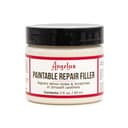
Angelus Leather Filler (2 fl oz)

Angelus Leather Filler (2 fl oz)

The honest answer to a mark that catches your fingernail. A balm or a paint hides color loss; only a filler replaces missing material, and this one is from the same American leather-paint company whose suede kit sits in our suede roundup. It dries white and it is a two-stage job by design: fill, then color over it with a paint such as the Furniture Clinic above.

Flexible repair fillerBest for a corner worn through
$13.95 · View on Amazon

Price as of October 19, 2026. #ad How we’re funded

The picks in full

#1Best for worn edges

Fiebing's Edge Kote (4 oz, Brown)

The fix for the most common damage on a well-used handbag, which is not a scratch at all: the painted edge on the handles and strap wearing pale and rough. Fiebing's is the leathercraft-supply name for edge finishing, the listing names purses and bags outright, and a 4 oz bottle will re-edge a bag several times over.

Strengths

  • Listing names purses and bags among its intended uses, along with shoes and belts
  • Dries flexible and water-resistant, per the listing, which matters on a handle that bends all day
  • Can be thinned with water for a lighter coat and buffed after drying
  • Sold in Brown, Black, Dark Brown and Neutral, the four edge colors most bags use

Trade-offs

  • Edges only; it is not a fix for the face of the leather
  • Semi-gloss finish, so a matte factory edge will look slightly shinier where repaired
  • No applicator is described on this listing; a fine brush or edge tool is a separate purchase
  • A steady hand is required: anything that strays onto the grain side has to be wiped instantly
TypeEdge coating
FormLiquid edge paint
Size4 oz
Best forHandle and strap edges, Flap and gusset edges, Sealing a cut edge

Construction note. Lightly sand or scrape the old, flaking edge paint smooth before coating; new edge paint over a lifting old layer peels with it. Two thin coats beat one thick bead.

Specs read from the product listing, on September 20, 2026. “Not published” means the brand does not state that figure.

#2Best for pale, absorbent leather

Leather Honey Recoloring Balm (Brown)

The color-restoring product from the brand whose conditioner we recommend most on this site, and the one to reach for when a brown bag is scuffed pale at the corners rather than cut. The listing states a vegetable-based, non-toxic formula with no color transfer once dry and a built-in sponge applicator; what it does not say is 'handbag', so spot-test as if it were any other pigment.

Strengths

  • Non-toxic, vegetable-based formula, stated free of PFOA 'forever chemicals'
  • Listing states no color transfer to clothing once the balm has dried
  • Built-in sponge applicator, so nothing extra to buy for a small repair
  • Made in the USA by a leather-care brand with a long track record

Trade-offs

  • One shade of brown: the listing offers no light, medium or dark variant, so a tan or cognac bag may end up darker than it started
  • Names couches, auto interiors, shoes, boots and 'accessories', not handbags specifically
  • A pigment balm hides a scuff; it cannot fill a cut, a gouge or a hole
  • Fluid-ounce size is not stated on the listing
TypeRecoloring balm
FormBalm, built-in sponge applicator
SizeNot published
Best forFaded brown leather, Corner and edge scuffs, Sun-lightened panels

Construction note. The listing's own instructions: apply a thin layer, allow it to dry, then gently buff the excess. Do that on the base of the bag first, because this is a color product and there is no 'undo'.

Specs read from the product listing, on September 20, 2026. “Not published” means the brand does not state that figure.

#3Best for sealed, finished leather

Furniture Clinic Leather Repair Paint, Color and Finish (Dark Brown, 1.7 oz)

The only color product on this page whose listing says the word 'handbags', and the right one for the leather most bags are actually made of: sealed, pigmented hide that a balm cannot get into. It is a paint-and-finish in one, applied by brush or sponge, and it behaves like paint, which is both the reason it works on finished leather and the reason to use as little of it as possible.

Strengths

  • Listing names sofas, cars, clothing and handbags among the surfaces it repairs
  • Sixteen colors available, the widest range on this page
  • Color and finish in one coat, so no separate topcoat to buy
  • Brush, sponge or spray application, so a corner or a strap edge can be done precisely

Trade-offs

  • It is paint: it sits on the surface and can change the hand and sheen of the leather where applied
  • Listing recommends a full 24-hour cure before use, so the bag is out of service for a day
  • 1.7 oz is a small bottle, fine for a bag, not for anything larger
  • The wrong choice for unfinished full-grain, where it would stop the leather developing a patina
TypeLeather paint + finish (2-in-1)
FormLiquid, brush / sponge / spray
Size1.7 oz
Best forFinished, pigmented leather, Recoloring over a filler repair, Color-matching in 16 shades

Construction note. The listing says it dries within a few minutes and seals itself, but asks for 24 hours before the item is used. On a bag, treat that as the minimum before the panel touches clothing.

Specs read from the product listing, on September 20, 2026. “Not published” means the brand does not state that figure.

#4Best for a corner worn through

Angelus Leather Filler (2 fl oz)

The honest answer to a mark that catches your fingernail. A balm or a paint hides color loss; only a filler replaces missing material, and this one is from the same American leather-paint company whose suede kit sits in our suede roundup. It dries white and it is a two-stage job by design: fill, then color over it with a paint such as the Furniture Clinic above.

Strengths

  • Listing states it stays flexible with the leather and is paintable once dry
  • Works on leather, vinyl, patent and bonded leather per the listing, so a trim panel is covered too
  • Made in the USA by a brand in business since 1909
  • A 2 oz jar is a lifetime supply for bag-sized repairs

Trade-offs

  • Dries white, so it always needs a matching color product on top; budget for two purchases
  • Listing scopes it to minor holes and scratches in smooth leather; not suede, not a torn strap under load
  • A filled spot on a bag flexes far more than a couch panel, so keep the repair small and thin
  • Every example the listing gives is a car seat, couch or shoe; bags are not named
TypeFlexible repair filler
FormPaste
Size2 oz
Best forSmall holes and cuts, Deep scratches that catch a nail, Cracks in finished leather

Construction note. Fill in thin layers rather than one thick one, and stop level with the surface. The color coat goes on after the filler has fully dried, never mixed into it.

Specs read from the product listing, on September 20, 2026. “Not published” means the brand does not state that figure.

Telling the four states apart

Hold the corner under a bright light and look at it from two angles, then run a fingernail over it.

Rough, flaking, slightly ragged along a line— that line is the cut edge of the leather and the roughness is failed edge finish. The leather face either side is usually untouched. This is state one and it is the cheapest fix in leather care.

Smooth but pale, in a patch rather than a line— the surface colour has been abraded off the face of the leather and the lighter material underneath is showing. Nothing is missing except pigment, so this is a colour job. Which product depends on whether your leather absorbs: put a single drop of water on an inconspicuous spot, and if it darkens and soaks in within a minute the leather is absorbent and a balm will work; if it beads and sits, the surface is sealed and only a repair paint will take. Our scratch page uses the same test.

Fuzzy, fibrous, or with a visible gap— the leather is through and you are looking at the fibre structure or the lining. Pigment will not bridge a gap; this needs a flexible filler built up in thin layers and then coloured over. Be realistic about the result: a filled corner on a bag flexes far more than a filled patch on a sofa, so keep the repair small and expect to touch it up.

Stitches missing, or a corner that has opened up— stop. Glue is not a structural repair and a corner is under load every time the bag is set down. A cobbler can re-stitch a corner through the original holes for a modest sum, and our strap and handle page makes the same argument about anything your shoulder depends on.

Doing an edge properly

The order matters more than the product. First, take the old flaking finish back with the edge of a blunt blade, a fine abrasive or a scrap of worn sandpaper until what remains is smooth and firmly attached. Second, wipe the dust away and let it dry. Third, apply the edge paint thinly with a fine brush or an edge tool, let it dry fully, then apply a second thin coat. Two thin coats always look better than one thick bead, which stays proud and then chips.

Two expectations to set. A repaired edge is usually slightly glossier than a matte factory edge, and a slightly different shade unless you have matched the colour carefully — which is an argument for doing all the edges on a panel rather than spot-fixing one corner. Any paint that strays onto the grain side has to come off immediately, before it dries.

Prevention, which is mostly about where the bag lands

Corner wear is contact wear, so almost all prevention is about contact.

  • Stop putting the bag on the floor. Hooks under desks, the passenger seat instead of the footwell, the chair next to you instead of the pavement. This is the single biggest factor and it costs nothing.
  • Buy bags with feet. Metal studs on the base hold the leather off the ground, and on a bag you will own for a decade they are worth looking for. Our hardware guide covers what else to check at the base and the seams.
  • Do not overfill. A bag stuffed tight pushes its corners out into sharp points, which concentrates every knock on a smaller area. The same load in a slightly larger bag wears far less at the corners.
  • Keep the edges conditioned.Cut edges dry out faster than the face of the leather, and dry leather abrades quicker. When you condition the bag, run the cloth along the edges too — see our conditioning guide for the routine.
  • Store it standing, not leaning. A bag resting on one bottom corner for months in a cupboard wears there for free. Our storage guide has the rest.

What finish and grade do to corners

Two material facts worth knowing before your next purchase. Coated and heavily finished leathers — the pigmented and pressed finishes described in our saffiano guide — resist abrasion well at first and then fail visibly, because the coating cracks and lifts at the exact point of maximum flex and leaves a pale wound that cannot be re-embossed. Unfinished and oil-stuffed leathers abrade more readily but wear gracefully: the corner goes darker and softer rather than cracking, and a rub with a finger or a touch of conditioner often restores most of it. Our oil-tanned guide explains that mechanism.

So if corner wear is the thing that bothers you most, the counterintuitive advice is to buy the leather that marks easily. A full-grain or oil-stuffed hide will look worn at the corners sooner and will still look good in ten years, while a coated bag looks perfect for three years and then looks broken. Our lifespan guide makes the long version of that case, and our troubleshooting page covers the other faults a used bag collects.
Frequently asked questions

Why do leather bag corners wear out first?

Three things coincide at a corner. The leather is deliberately thinned there so the seams lie flat, stitch lines start and stop there, and the corner is the outermost point of the bag in two directions, so it takes every set-down, door frame and car seat. It is construction, not a defect.

How do you repair a worn leather bag corner?

Identify which of four states it is in. Rough, flaking along a line is worn edge paint and needs renewing with edge paint. Smooth but pale means lost pigment and needs a recolouring balm on absorbent leather or a repair paint on sealed leather. Fibres showing or a hole needs a flexible filler built up thinly and then coloured. Missing stitches need a repairer.

Can a corner worn through be properly fixed?

Not permanently. Filler and colour can make it look much better, but a corner flexes constantly and is the bag's point of contact, so the repair will keep wearing and needs touching up. Keep it small and thin, and judge whether the rest of the bag justifies the effort.

How do you stop bag corners wearing?

Stop putting the bag on the floor — that one habit does most of the work. Then: buy bags with metal feet on the base, avoid overfilling (a stuffed bag pushes its corners into sharp points that concentrate every knock), condition the cut edges along with the panels, and store the bag standing rather than leaning on one corner.

Do corner protectors work on handbags?

Metal feet fitted by the maker work well, because they hold the leather off the ground. Stick-on protectors are a different proposition: they add an adhesive and a hard edge to the most flexed part of the bag, and removing them later can take finish with them. Changing where the bag lands is the better investment.

Which leather wears best at the corners?

Unfinished and oil-stuffed hides wear gracefully — the corner darkens and softens, and conditioning restores much of it. Heavily coated and pressed finishes resist abrasion for longer and then fail visibly, because the coating cracks and lifts where it flexes and cannot be re-embossed. If corner wear bothers you, buy the leather that marks more easily.

Sources

Keep reading