Cotton: the handbag default, and the only one that absorbs
A plain woven cotton or cotton-blend lining is what the overwhelming majority of handbags have, and it is unglamorous for a good reason: it works. It is light, so it adds almost nothing to a bag that is already heavy. It is sewn in rather than glued, so it can be unpicked and replaced by any competent repairer. And it is the only one of the four materials here that will take a small spill into itself and give you a few seconds before it reaches the leather, which matters because a stain on a lining is a nuisance and a stain in the hide is permanent.
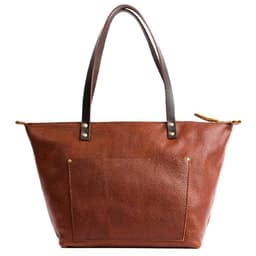
What it costs you is appearance and abrasion resistance. Cotton looks like what it is, it goes grey with use, and a heavy load with sharp things in it will wear through it faster than canvas. The Fossil tote on this page is the clean example: 100% cotton lining, stated on the listing, with a zip pocket and two slide pockets. That is the standard spec of the mid-market handbag, and a seller that publishes the fibre content is unusual enough to be worth noting.
Canvas: the work-bag answer
Canvas is cotton with the volume turned up — a much heavier weave, stiffer, noticeably tougher against abrasion, and the reason it belongs in a bag that gets loaded. If you carry a laptop, a charger, a bunch of keys and a notebook in the same compartment every day, those things are sanding the inside of your bag, and canvas takes that for years where a light cotton lining starts to thin.
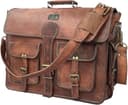
It also makes the bag stiffer and heavier, which is the trade. A canvas-lined messenger holds a shape that an unlined one does not, and weighs more for it. The cuero messenger here is the example: an 18 by 13 by 5 inch handmade leather messenger, canvas-lined, with a laptop compartment and six other pockets — and it is on our 16-inch laptop page precisely because that construction is what you want around an expensive machine. Our leather versus canvas comparison deals with canvas as an exterior material, which is a different question with a different answer.
Microfiber and synthetic suede: looks the best, ages the worst
A microfiber or synthetic-suede lining is the one that feels like a more expensive bag than it is. It has a soft nap, it comes in colours that flatter the leather, it does not fray at a cut edge, and it wipes clean in a way woven cotton does not.
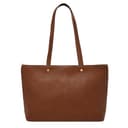
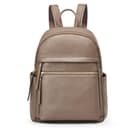
Its failure mode is specific and worth knowing before you buy: polyurethane- based synthetic linings can hydrolyse over years, especially in heat and humidity, and the symptom is a surface that goes tacky or sticky to the touch and then begins to shed in crumbs. There is no reconditioning that. Our troubleshooting page covers the sticky-surface symptom, and the honest answer for a lining in that state is replacement rather than treatment. The Kattee backpack purse on this page states microfiber as part of its build alongside pebbled cowhide; it is a good bag and that is the thing to watch in year seven rather than year one.
Storage is most of what decides whether you ever meet this. A bag kept somewhere hot — a car, an attic, a radiator cupboard — gets there much faster than one on a shelf in a cupboard. Our storage guide and our heat damage page both come back to the same conditions.
Unlined: why the bag sheds, and why that stops
An unlined bag has no fabric inside it at all. The interior surface is the flesh side of the hide — the side that faced the animal’s body, which is fibrous and soft and looks a lot like suede, because suede is essentially that surface used deliberately.
That surface is made of loose collagen fibre ends, and loose fibre ends come away when they are rubbed. This is the whole explanation for the thing unlined- bag owners complain about: a new unlined bag deposits a fine dust on whatever is inside it and on light clothing. It is not a defect, it is not the bag falling apart, and it largely stops. The loose surface fibres shed over the first weeks to months of use and what is left underneath is compacted and stable. Wiping the interior with a dry cloth a few times early on gets you there faster. If the bag is pale and your clothes are pale, carry a pouch inside it for the first month.
The real arguments for and against unlined have nothing to do with shedding.
- For: there is nothing to delaminate, nothing to go sticky and nothing to wear through. An unlined bag has one failure mode fewer than every lined bag. It is also lighter than the same bag lined, and it is a visible signal that the maker is not hiding a split or a bonded layer behind fabric.
- Against:no protection at all between hard objects and your hide, so keys and chargers abrade the leather from the inside; nothing absorbs a spill, so a leak goes straight into the hide from the worst possible side; and when it does wear, you cannot replace it — the worn part is the bag.
A sleeve for anything electronic and a small pouch for keys solves most of that for a few dollars, and it is what we would do with any unlined bag.
How to read a listing for this
Most listings do not say.That is the first thing to know. Of everything we track, only a handful publish a lining material, and the four on this page were picked because they do. Silence is not evidence of a bad lining — it is evidence that nobody asked.
“Polyester lining” is the commonest unstated answer. Cheap, light, perfectly functional, and it looks shinier than cotton. It behaves closer to cotton than to microfiber in terms of ageing.
Watch for “suede lining” on a cheap bag. It usually means a synthetic suede-look material rather than split leather, and the difference matters for the ageing question above. On a genuinely expensive bag it may be real suede, which is lovely and marks easily.
A photograph of the inside is worth more than a word. If a listing shows the interior clearly, you can usually tell a woven fabric from a napped synthetic from a bare flesh side at a glance, and that is more reliable than a bullet point. Our guide to spotting fake leather covers the other things interior photographs give away, including the edges and the cut, and our genuine leather guide explains why a vague exterior claim often comes with a vague interior one.
The repair question, which only matters once
In about year eight you will have a decision to make about a bag you like, and the lining decides which way it goes. A sewn-in woven lining — cotton, canvas, polyester — can be unpicked and replaced by a repairer for a fraction of the bag’s value, and the bag gets another decade. A glued synthetic lining that has gone tacky is a much bigger job and sometimes not a sensible one. An unlined bag whose interior has worn through is beyond lining repair, because the worn thing is the structure.
That is the real reason to care about four dollars of fabric: it is the difference between a bag you keep and a bag you replace. Our bag lifespan guide takes the whole question apart, and our repair-kit page covers the damage you can fix at home and names the point at which to stop.