The four size classes, in inches
1. Essentials — under about 12 inches wide, under 3 inches deep
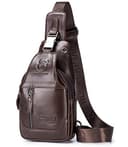
A phone, a wallet, keys, cards and one small extra. The BULLCAPTAIN sling at 11.8 x 6.2 x 1.9 inches is this class exactly, and its own listing is honest about the ceiling: a 7.9-inch iPad mini and no more. Nothing in this class takes A4 paper flat, and that is not a flaw — it is the point. Our small zip-top crossbody roundup is the shortlist here, and our crossbody size guide works through it by what you carry.
2. Day bag — 12 to 14 inches wide, 3 to 5 inches deep
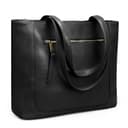
A tablet, a notebook, a bottle, a cardigan. This class takes A4 and Letter paper comfortably but is marginal for a 15.6-inch laptop, and that is where listings start overclaiming. The befen vintage waxed tote at 13.78 x 3.94 x 11.22 inches states a 14-inch laptop fit, which is consistent with its width. The Morriloom tote at 13.2 inches wide claims a padded 15.6-inch sleeve, which sits awkwardly against the arithmetic above — it will likely take a slim machine and be tight on a thick one.
3. Work bag — 14 to 17 inches wide, 4 to 7 inches deep
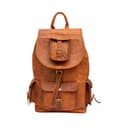
The class most people actually need, and the one this site writes about most. A 15.6-inch laptop goes in flat, paper does not fold, a bottle stands up, and a charger and lunch still fit. The befen full-zip tote, the Yevabo backpack at 16.1 x 11.8 x 5.9, the HULSH rucksack at 16 x 12 x 4.5 and The Leather Room briefcase at 16 x 12 are all in it. Our 15-inch laptop bag roundup is the shortlist, and our work bag pillar covers all three shapes.
4. Hauling — 18 inches and up, or 7 inches deep and up
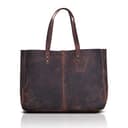
Books, a change of clothes, a 17-inch machine, a market shop. Two bags show the two different ways to get here. The KomalC buffalo tote is 18.5 inches across and only 3.5 inches deep: enormous in one dimension, a flat shopper in practice. The TWARA backpack is 20 x 12 x 8 inches, which is volume rather than width, and it states a 17-inch laptop fit. Same class, completely different bags. Our large tote roundup and 17-inch laptop page are the shortlists.
The arithmetic that catches an impossible claim
This is the most useful thing on the page, and it takes ten seconds. A laptop size is a screen diagonal, not a width, so convert it before you compare it with a bag. On a 16:9 panel the width of the glass is the diagonal multiplied by about 0.87: a 15.6-inch machine is about 13.6 inches of glass, and the chassis around it adds a little more.
Now take the bag’s published exterior width, subtract roughly half an inch for leather and lining, and compare. If the result is narrower than your machine, the claim and the measurement are in tension, however confident the title is. It does not always mean the listing is wrong — soft bags stretch, sellers measure the base rather than the opening, and some publish only one of several dimensions. It does mean you should measure your own laptop across the lid before you buy.
Two patterns are worth recognizing while you do it. Some totes publish two widths, like the S-ZONE top-zip at 17.72 inches across the top and 12.8 at the base, because the bag flares — the opening clears a laptop even though the base does not. And a great many listings publish no dimensions at all, in which case our spec tables say “Not published” rather than estimating. On a structured case that is a smaller risk than on a soft bag, because the shape is built around a machine rather than draped over one.
Depth is the number people get wrong
Width and height decide what fits. Depth decides how the bag lives. Under about 3 inches and it is a flat bag that will not take a bottle alongside a laptop. Between 4 and 6 inches is the sweet spot for a work bag: enough for a charger, lunch and a bottle without the contents disappearing. Past 7 inches you have real volume and also a bag that is heavier empty, bulkier on a crowded train, and harder to find anything in.
Depth is also the main driver of empty weight, because depth is where the panels multiply. If you are weighing size against weight, our guide to leather bag weights lists every published figure we have, from 0.91 to 3.35 pounds.
How to size a bag for yourself in five minutes
- Pile up what you actually carry. Not what you intend to carry. The real pile, from the bag you use now.
- Measure the widest flat thing in it. Usually the laptop or a document folder. That number is your minimum bag width, plus an inch.
- Stand the tallest thing up. Usually a bottle. That is your minimum height if you want it upright.
- Stack the rest and measure the stack. That is your depth, and it is almost always less than people buy.
- Check the handle drop if it goes on a shoulder. Under about nine inches and it will not clear a winter coat. Few listings publish it; two in our registry do, at 11.8 and 11.5 inches.
Then buy the smallest bag that clears those four numbers. Oversizing is the most common and most expensive sizing mistake in leather, because a bigger bag costs more, weighs more empty, and gets filled to its capacity regardless of need. Our leather bag buying guide runs the rest of the decision in order, and our small tote roundup exists because a lot of people need less bag than they think.