The Patina Bench

Best Leather Protector Sprays for Bags

Four repellents worth owning, what each genuinely does, and the plain fact none of these products makes a leather bag waterproof.

By Stephen V.Last updated How we pick

Start with the sentence most of this category avoids: no spray makes leather waterproof. What a good repellent does is lift the surface tension so water beads and rolls rather than soaking straight in, which buys you the minutes it takes to get out of the rain. That is genuinely useful. It is not the same as waterproof, and any product implying otherwise is overselling.

With that established, a repellent is one of the highest-value things you can spend fifteen dollars on for a leather bag. Water is what causes the marks, the stiffness and eventually the mold that our troubleshooting guide spends most of its length on. Preventing a soaking is dramatically easier than fixing one.

Four picks below, each for a different material and situation, with a live price on every one. We have not run laboratory water tests on these; what follows is a straight read of what each is formulated for, matched against what a bag actually needs, with honest cons on all four.

How this is funded:we earn a commission if you buy through our links, at no extra cost to you. It never changes which product we recommend, and we’ll tell you when we’d skip one. Full disclosure.

Quick picks

Ranked on leather grade, construction, capacity and value. Select a row to jump to the full write-up. We have not wear-tested these bags — here is exactly what we do instead.

#ProductBest forPrice
1
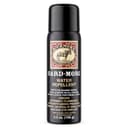
Gard-More Water & Stain Repellent (Leather & Suede)

Gard-More Water & Stain Repellent (Leather & Suede)

One of the few repellents that names both smooth leather and suede rather than being a sneaker product with 'leather' added to the label. That breadth is the reason to own it: one bottle covers a mixed collection instead of two.

Best overall
$16.99 · View on Amazon

Price as of September 5, 2026. #ad How we’re funded

2
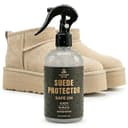
Leather Hero Suede Protector Spray (10 oz)

Leather Hero Suede Protector Spray (10 oz)

The protector to put on a suede or nubuck bag before it ever meets weather. Non-aerosol, which makes it easier to control on a bag than a pressurized can, and a 10-ounce bottle lasts through years of reapplication.

Best for suede
$13.95 · View on Amazon

Price as of September 5, 2026. #ad How we’re funded

3
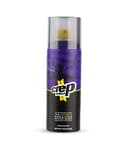
Crep Protect Rain & Stain Protector Spray

Crep Protect Rain & Stain Protector Spray

A sneaker-world product that works on bags, and the one to reach for if you want beading you can actually see. The trade-off is a coating that sits closer to the surface than a leather-specific repellent, which is fine on canvas and nubuck and worth testing on a good hide.

Best beading
$16.00 · View on Amazon

Price as of September 5, 2026. #ad How we’re funded

4
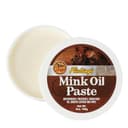
Fiebing's Mink Oil Paste (6 oz)

Fiebing's Mink Oil Paste (6 oz)

A heavy, water-repelling paste built for work boots and tack — and precisely the wrong product for most handbags. We list it so you can recognize it, buy it for the job it is actually good at, and keep it away from a bag you care about.

Best for rugged leather (not bags)
$6.99 · View on Amazon

$8.2515% off

Price as of September 5, 2026. #ad How we’re funded

The picks in full

#1Best overall

Gard-More Water & Stain Repellent (Leather & Suede)

One of the few repellents that names both smooth leather and suede rather than being a sneaker product with 'leather' added to the label. That breadth is the reason to own it: one bottle covers a mixed collection instead of two.

Strengths

  • Covers smooth leather and suede, so one bottle handles a mixed set of bags
  • Long-established formula rather than a recent sneaker-care spin-off
  • Light application, so it does not build up a visible film

Trade-offs

  • Repellent, not waterproofing — sustained rain will still get through
  • Can slightly darken untreated full-grain; spot-test on the base first
TypeNot published
FormSpray
SizeNot published
Best forSmooth leather bags, Suede bags, Pre-winter protection

Construction note. No treatment makes leather waterproof. A repellent buys you time to get out of the rain; it does not change what the material is.

Specs read from the product listing, on August 12, 2026. “Not published” means the brand does not state that figure.

#2Best for suede

Leather Hero Suede Protector Spray (10 oz)

The protector to put on a suede or nubuck bag before it ever meets weather. Non-aerosol, which makes it easier to control on a bag than a pressurized can, and a 10-ounce bottle lasts through years of reapplication.

Strengths

  • Non-aerosol bottle gives far more control on a small bag than a spray can
  • 10 oz is enough for years of the reapplication this job actually needs
  • Formulated for nap rather than smooth leather, which is the right distinction

Trade-offs

  • Repellency is not permanent — expect to redo it a few times a year
  • Any protector can slightly deepen the color of pale suede; spot-test first
TypeNot published
FormNon-aerosol spray
Size10 oz
Best forSuede bags, Nubuck bags, Pre-season protection

Specs read from the product listing, on August 12, 2026. “Not published” means the brand does not state that figure.

#3Best beading

Crep Protect Rain & Stain Protector Spray

A sneaker-world product that works on bags, and the one to reach for if you want beading you can actually see. The trade-off is a coating that sits closer to the surface than a leather-specific repellent, which is fine on canvas and nubuck and worth testing on a good hide.

Strengths

  • The most visibly effective beading of the repellents here
  • Covers canvas and mixed-material bags as well as leather
  • Widely stocked, so replacing it is never a hunt

Trade-offs

  • Aerosol is harder to control on a small bag than a pump bottle
  • Formulated with footwear in mind — spot-test before using it on fine leather
TypeNot published
FormAerosol spray
SizeNot published
Best forWaxed canvas bags, Nubuck, Mixed-material bags

Specs read from the product listing, on August 12, 2026. “Not published” means the brand does not state that figure.

#4Best for rugged leather (not bags)

Fiebing's Mink Oil Paste (6 oz)

A heavy, water-repelling paste built for work boots and tack — and precisely the wrong product for most handbags. We list it so you can recognize it, buy it for the job it is actually good at, and keep it away from a bag you care about.

Strengths

  • Genuinely effective at repelling water on heavy, unfinished leather
  • Softens stiff work leather faster than a light conditioner will
  • Costs very little for a large tin

Trade-offs

  • Darkens leather, often permanently — a real risk on a light-colored bag
  • Too heavy for finished bag leather; it can leave a greasy surface that attracts dirt
  • Not what you want on suede, nubuck or a delicate designer finish
TypeNot published
FormPaste
Size6 oz
Best forWork boots, Saddlery and tack, Rugged unfinished leather

Construction note. The listing itself positions this as boot and leathercraft care. Museum conservation guidance warns against over-oiling leather, which is the main reason we keep this off finished handbags.

Specs read from the product listing, on August 11, 2026. “Not published” means the brand does not state that figure.

What a protector spray actually does

It leaves a very thin layer — usually a fluoropolymer or a silicone derivative — on and slightly within the surface fibers. That layer changes how water behaves on contact: instead of wetting the surface and wicking in, droplets bead and can be shaken or blotted off.

Three practical consequences follow. It works best against brief exposure, so a shower is fine and standing in a downpour is not. It wears off, because the layer abrades away where the bag rubs against you and your clothes — which is why reapplication is not optional. And it does nothing about damage already done, so a bag with existing water marks needs the treatment in our troubleshooting guide first.

Match the product to the material

Smooth finished leather

Most handbags. A general leather-and-suede repellent like the Gard-More is the right choice: light enough not to build a visible film, and formulated for a surface that already has a finish on it. Apply thinly and evenly, and expect to redo it two or three times a year on a bag in daily use.

Suede and nubuck

A different problem entirely, and the one where a protector matters most. Napped leather has an enormous surface area and no finish, so it absorbs water and stains instantly — a single rain shower can permanently mark an untreated suede bag. A suede-specific protector like the Leather Hero should go on before the bag is ever carried. Our suede care roundup covers the rest of that routine.

Waxed canvas and mixed materials

If your bag is canvas with leather trim, the Crep Protect is the practical answer because it covers both. Its beading is the most visibly dramatic of the group, which is satisfying but also worth understanding: strong beading means a slightly heavier surface layer, which is fine on canvas and worth spot-testing on a good hide.

Rugged, unfinished leather

Work boots, tack, heavy outdoor gear. Mink oil is the traditional answer and it genuinely works, substantially increasing water repellency while softening stiff leather. It is on this list clearly labeled as the option that does not belong on a handbag: it darkens finished leather strongly and often permanently, and the excess sits on the surface attracting grit. Our conditioner versus mink oil comparison covers exactly where that line falls.

How to apply it properly

Clean first. A repellent seals in whatever is on the surface, so applying it to a dusty bag locks the dust into the finish. A wipe with a barely-damp cloth and a full dry is enough — the routine in our cleaning guide is more than most bags need.

Spot-test, without exception, on the base or an inside corner. Every product here can slightly deepen the color of some hides, and pale leather is where that shows.

Then apply thin and even from about six inches away, in a well-ventilated space, covering the whole panel rather than patches — a partially treated panel produces a tideline the first time it rains. Two light coats with drying time between them beat one heavy one. Let the bag dry fully, away from heat, before carrying it.

How often to reapply

Two to three times a year for a bag in regular use, more if it is out in weather often, and always before a season of rain. The test is simple: flick a few drops of water onto an inconspicuous area. If they bead, you are fine. If they darken the leather and sink in, it is time.

One thing not to do is treat reapplication as a substitute for conditioning. A repellent protects the surface; a conditioner replaces the oils inside the leather that keep it flexible. They are different jobs, and a bag that is sprayed but never conditioned still dries out and cracks — the conditioning guide covers that half.
Frequently asked questions

Does leather protector spray actually work?

Yes, within limits. It raises the surface tension so water beads and rolls off instead of soaking in, which buys you the minutes it takes to get out of the rain and stops most stains from setting. It does not make leather waterproof, and sustained rain will still get through.

How often should I reapply a leather protector spray?

Two to three times a year for a bag in regular use, more if it is out in weather often. The layer abrades away where the bag rubs against you and your clothes. Test by flicking a few drops of water on a hidden area: if they bead you are fine, and if they sink in and darken the leather it is time.

Will a protector spray darken my leather bag?

It can, slightly, on some hides — which is why spot-testing on the base or an inside corner is not optional. Pale and unfinished leather is where it shows most. Sprays formulated specifically for leather are far less likely to darken than heavy oils and pastes.

Can I use shoe protector spray on a leather bag?

Usually, and one of our picks is exactly that. The caveat is that footwear sprays are formulated for a harder life and can leave a slightly heavier surface layer than a bag-specific product. Spot-test first, especially on fine or pale leather.

Do I still need to condition if I use a protector?

Yes — they do different jobs. A protector sits on the surface and repels water. A conditioner replaces the oils inside the leather that keep the fibers flexible. A bag that is sprayed but never conditioned will still dry out and eventually crack.

Is mink oil a good waterproofer for a handbag?

It is an excellent waterproofer and a poor choice for a handbag. It substantially increases repellency on rugged unfinished leather like work boots and tack, but on a finished bag it darkens strongly and often permanently and leaves a greasy surface that attracts grit. Use a proper leather protector spray instead.

Sources

Keep reading