The differences you will actually notice
Weight, which is the headline
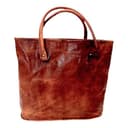
Goat hide is thinner, so a bag made from it weighs less. The Firu tote is a 16-inch bag with a canvas lining, two inner zip sections, a card holder and a phone holder, and its listing publishes a weight of 1.41 pounds. For comparison, the published empty weights of the mid-size cowhide work totes in our registry run from 1.76 to 2.43 pounds, and the full-grain Portland zipper tote publishes 3.35. On a bag carried on one shoulder every day, a pound is not a rounding error. Every figure we have is collected in our leather bag weight guide.
Grain
Goat has a fine, naturally pebbled surface — small irregular bumps that belong to the skin rather than to a press. That is useful to know when you are reading listings, because a lot of pebbled cowhide gets its texture embossed on after the surface has been corrected. A naturally pebbled hide keeps its texture as it wears; an embossed one can flatten. Our pebbled versus smooth guide covers how to tell them apart and which hides scuffs more.
Thickness and what it means for heavy loads
Thin hide drapes beautifully and resists a heavy point load less well. A goat bag is the wrong choice if you intend to carry a laptop, a charger and a water bottle in it every day for a decade; a thick cowhide or buffalo bag is built for that. The Firu listing is honest about its own limits here — the main compartment holds a laptop or tablet, with no padded sleeve stated, which we would read as a books-and-a-tablet bag rather than a work-laptop carrier.
Consistency, and the thing goat buyers have to accept
This is the real trade and the Firu listing states it plainly, which is more candor than this category usually manages. Its color comes from vegetable oil and sun tanning rather than pigment, so every bag arrives a slightly different shade and will not match the photograph exactly. The same listing warns that the bag has a distinctive smell that takes days of use to fade. Both of those are what finishing a thin hide this way actually does. If either would annoy you, buy cowhide.
Price and availability
Goat is usually cheaper in a finished bag, which is why it shows up at the bottom of the real-leather market, competing with coated synthetics rather than with full-grain cow. The catch is availability: you cannot go looking for a goat-leather bag in a particular color and structure the way you can with cow. Cowhide is the industry default precisely because it scales.
Species is not grade
The same warning as on every material page on this site. “Goat leather” names an animal, not a layer of hide, and the layer decides how the bag ages. The Firu listing is a good example of why we read listings carefully: its title says genuine leather while its bullets claim full grain, so our spec table records the lower claim, genuine leather, every time. One of those two statements is wrong and the seller has not told us which.
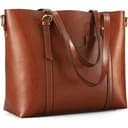
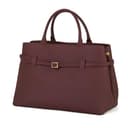
On the cow side of this page you can see the grade ladder doing real work. The Kattee is genuine leather — real hide, grade unnamed, which usually means a corrected or split layer with a finish applied. The DONNAIN states full-grain cowhide, the top grade, at a mid price. Those two bags are closer in size than they are in how they will look in five years. Our guide to “genuine leather” and our full-grain versus top-grain comparison cover the whole ladder, and our patina guide explains which finishes can develop one at all.
It is worth adding what the rules cover. The FTC’s leather guides are about whether something may be called leather and about disclosing imitation material — they do not rank hides by species or require a seller to name a grade. So species naming on a listing is a choice, and the useful follow-up is always the same: which layer, and does the title agree with the bullets?
Which to choose, by what you are buying
A light everyday tote: goat. This is the one case where goat wins on the thing you care about most. A big, soft, light bag for books, a tablet and daily kit, at the bottom of the real-leather price range.
A work bag with a laptop in it: cowhide. Thicker hide, padded compartments, published laptop fits and structure. Our 15-inch laptop bag roundup is all cow for this reason.
A bag that has to match something: cowhide. Color consistency, availability in black, and two bags from the same run looking alike.
A rugged bag with visible character: neither — look at buffalo. Thicker and more coarsely grained than cow, and the hide that distressed finishes suit best. Our buffalo versus cowhide guide makes that case.
A first real-leather bag: whichever names its grade honestly. That single piece of candor predicts satisfaction better than the species does. Our buying guide runs the whole decision in order.
Caring for a thin hide
Goat wants the same routine as any leather — clean before you condition, condition thinly, keep it out of direct heat — with two adjustments for thickness. Use less product and build up, because a thin hide saturates faster and a heavy coat will darken it unevenly. And be more careful about water: a thin vegetable-tanned hide shows water marks more readily than a sealed cowhide finish does.
Our conditioning guide has the method and uses less product than most people apply, our water-protection guide covers repellents and their limits, and if the new-bag smell is the problem rather than the leather, our guide to removing smells explains what helps and what makes it worse.