Leather Backpacks
Leather backpacks for work, travel and every day — the professional picks, the full-grain workhorses and the honest word on the PU 'backpack purses.'
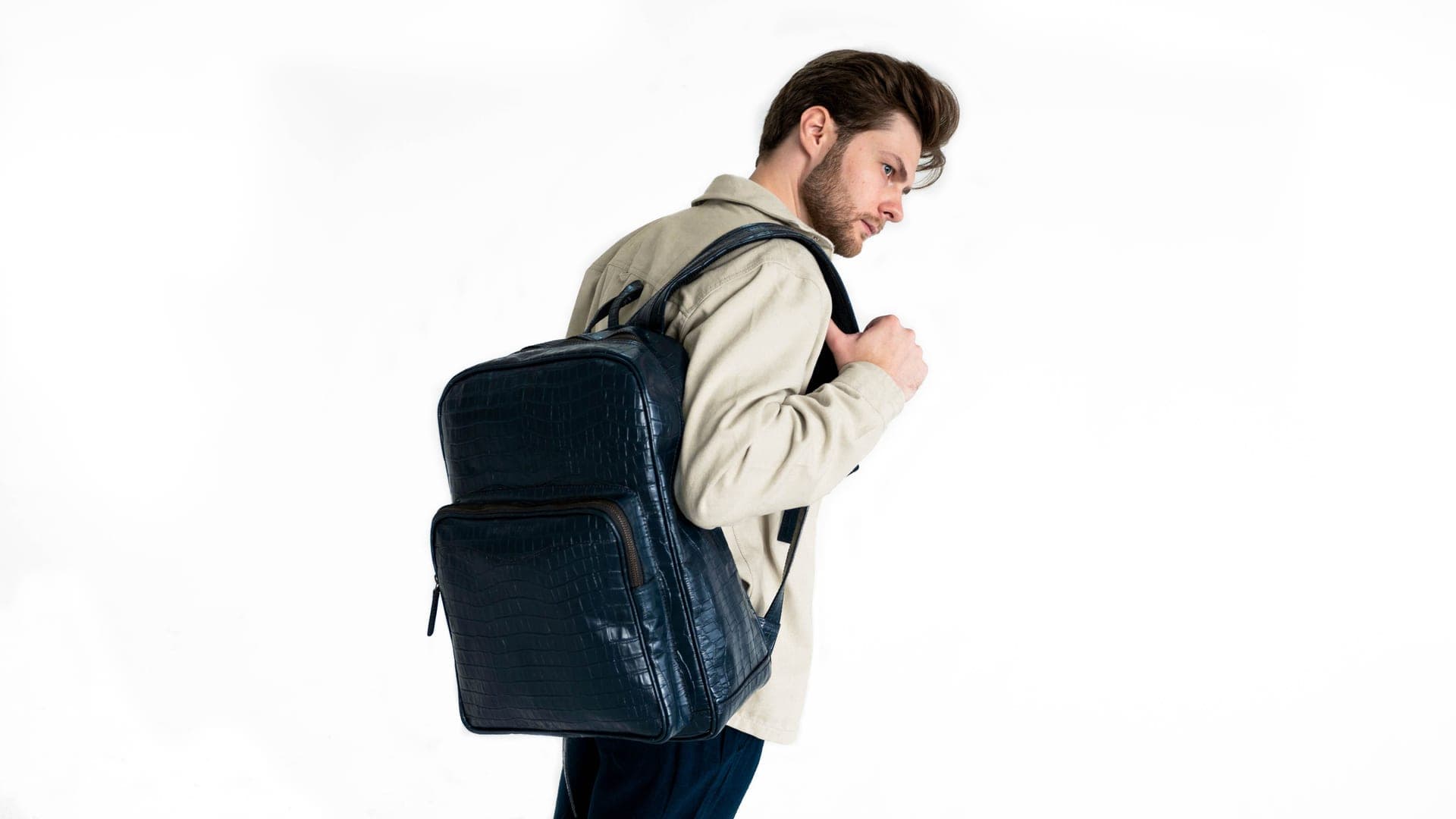
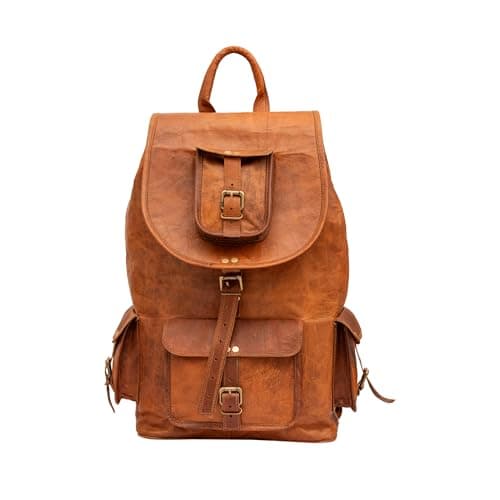
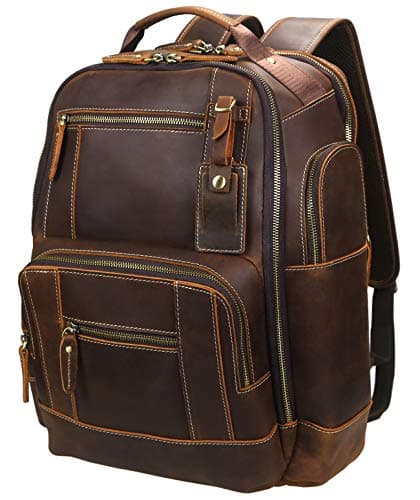
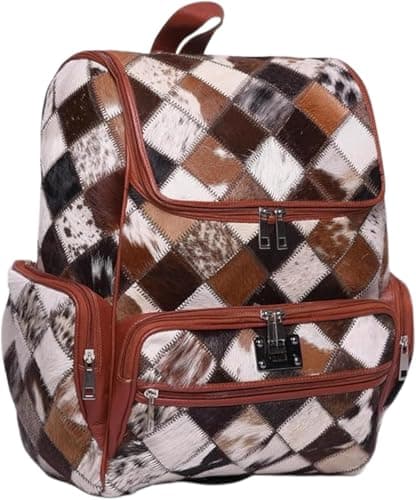
A leather backpack is the bag you reach for when a briefcase looks too formal and a nylon daypack looks too casual. Done well, it carries a laptop and a full work day on two shoulders, ages into a finish no new bag can fake, and still reads polished walking into an office. Done cheaply, it is a coated-fabric shell with a leather label sewn on, and the difference rarely shows in a product photo. This hub exists to keep you on the right side of that line.
We split leather backpacks three ways, because the buyers are genuinely different people. The men’s picks lean toward full-size, full-grain workhorses with real laptop protection. The women’s page tackles the “backpack purse,” where most listings are synthetic and only a few are real hide. The work page is organized around laptop fit and a professional look. Start wherever your carry actually lives, and treat the picks as a shortlist rather than a finish line.
None of these bags were wear-tested in a lab, and we don’t pretend otherwise. What follows is honest research: what each listing actually states about its leather, who a bag suits, and—just as important—who should skip it. Prices are pulled in live, so the number you see is the one that’s current, not a figure we typed in and forgot to update.
Everything in Backpacks
Best Leather Backpacks for Men
Professional and rugged leather backpacks with real laptop protection, from a trusted brand to full-grain value.
Our top pick
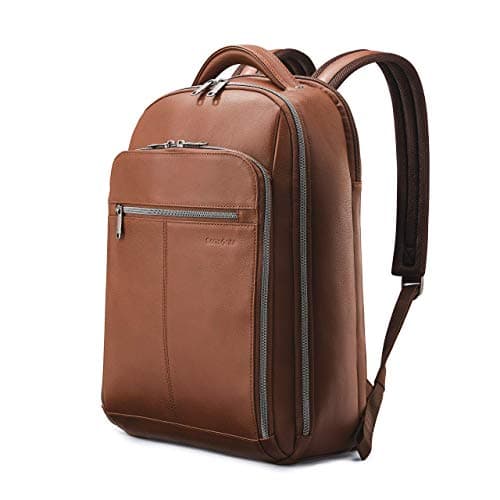
Samsonite Classic Leather Backpack
Best Leather Backpacks for Women
The genuine-leather backpack purse that isn't PU, plus the designer-label options — labeled honestly.
Our top pick
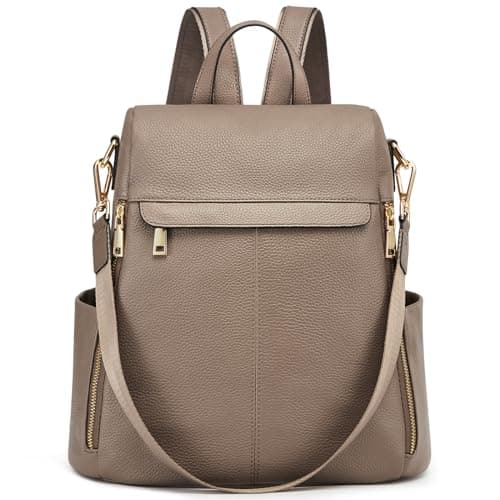
Kattee Genuine Leather Anti-Theft Backpack Purse
$80.00 · View on AmazonPrice as of October 20, 2026. #ad How we’re funded
Best Leather Backpacks for Work
Full-grain and structured leather backpacks sized for a 15-to-17-inch laptop and a full work day.
Our top pick
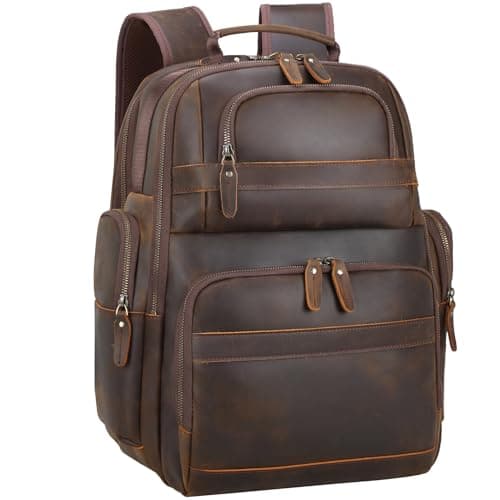
TIDING Full Grain Leather 15.6" Backpack
$169.99 · View on AmazonPrice as of October 20, 2026. #ad How we’re funded
Best Leather Backpack Purses for Women
The genuine-leather backpack purses in a category dominated by coated synthetics — soft daypacks, anti-theft picks and a structured upgrade.
Our top pick
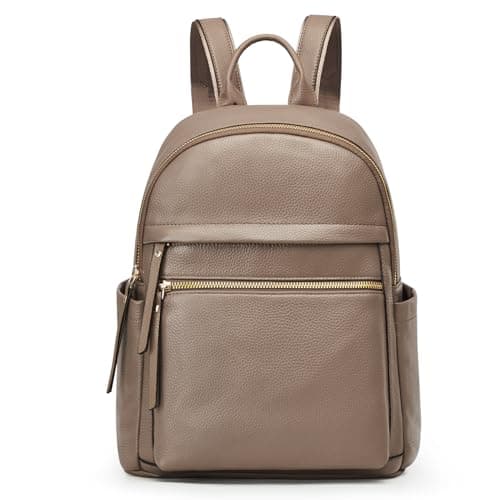
Kattee Genuine Leather Backpack Purse (Medium Daypack)
$72.00 · View on AmazonPrice as of October 20, 2026. #ad How we’re funded
Best Leather Backpacks for Travel
Personal-item sizing, laptop protection and weather — the leather backpacks that hold up to an airport day.
Our top pick
Samsonite Classic Leather Backpack
Leather vs Canvas Backpacks
Weight, weather, cost per year and how each one ages — an honest comparison, including when canvas is the better buy.
Best Leather Backpacks for College
Four years of textbooks, library floors and rain — the leather backpacks that survive it, and the honest case for canvas instead.
Our top pick
TWARA Vintage Full Grain Leather 17" Laptop Backpack
Best Vintage Leather Backpacks
Distressed full-grain rucksacks that start out looking lived-in — and keep improving instead of wearing out.
Our top pick
LANNSYNE Vintage Full Grain Leather 15.6" Rucksack (24L)
$139.99 · View on AmazonPrice as of October 20, 2026. #ad How we’re funded
Samsonite Classic Leather Backpack Review
The default professional leather backpack, taken apart on paper — what you are paying the brand for, and the full-grain alternatives.
Our top pick
Samsonite Classic Leather Backpack
Best Leather Diaper Bag Backpacks
Almost nothing sold as a leather diaper bag is leather — the one that genuinely is, the synthetics that do the job better, and how to tell them apart.
Our top pick
CHAYELL Hair-On Cowhide Diaper Bag Backpack
Best Full-Grain Leather Backpacks
The buy-once tier — full-grain packs that carry a 15-to-17-inch laptop and get better looking the longer you use them.
Our top pick
TIDING Full Grain Leather 15.6" Backpack
$169.99 · View on AmazonPrice as of October 20, 2026. #ad How we’re funded
Leather Backpack vs Messenger Bag
Two shoulders or one, and what that actually costs you — weight, access, formality and the bag that ages better.
TIDING Full Grain Leather Backpack Review
Our full-grain work pick, examined honestly — the weight nobody warns you about, and the three packs to weigh against it.
Our top pick
TIDING Full Grain Leather 15.6" Backpack
$169.99 · View on AmazonPrice as of October 20, 2026. #ad How we’re funded
Best Leather Backpacks Under $100
The bracket where coated synthetic wins by default — the packs that are genuinely hide, what each listing actually claims, and where the money went instead.
Our top pick
HULSH Handmade Veg-Tan Top Grain Leather Rucksack
$67.99 · View on AmazonPrice as of October 20, 2026. #ad How we’re funded
Best Leather Backpacks on Amazon
The four checks that separate hide from a coating on a marketplace listing, and the six packs that survive them — including one recognizable brand that isn't leather.
Our top pick
Samsonite Classic Leather Backpack
Best Minimalist Leather Backpacks
Slim, plain, no visible logo — the leather packs designed to disappear rather than announce themselves, and the one that isn't leather at all.
Our top pick
Samsonite Classic Leather Slim Backpack
Best Leather Backpacks Under $200
The bracket where a leather backpack stops being a compromise — brand-backed cases, full-grain workhorses, and what the second hundred dollars actually buys.
Our top pick
Samsonite Classic Leather Backpack
Best Leather Backpacks With Lots of Pockets
Ranked only on layouts the listing actually itemizes. Eight of the 22 backpacks we track count their compartments out loud; these are the five worth carrying.
Our top pick
Yevabo Genuine Leather 15.6" Laptop Backpack
Best Leather Backpacks for Women with a Laptop Compartment
Almost every women's 'leather' laptop backpack is coated synthetic. These are the ones that state real hide AND a laptop size — plus the honest warning about padding.
Our top pick
BOSTANTEN Genuine Leather 15.6" Laptop Backpack Purse for Women
$139.99 · View on AmazonPrice as of October 20, 2026. #ad How we’re funded
Best Leather Backpacks for Teachers
Grading stacks, a laptop, a lunch and a classroom floor — the packs built for a teaching week, including the non-leather one we would genuinely consider.
Our top pick
Yevabo Genuine Leather 15.6" Laptop Backpack
Are Leather Backpacks Worth It?
The weight, the rain, the price and the years — a straight answer to the five questions people actually ask before buying one, and when to buy nylon instead.
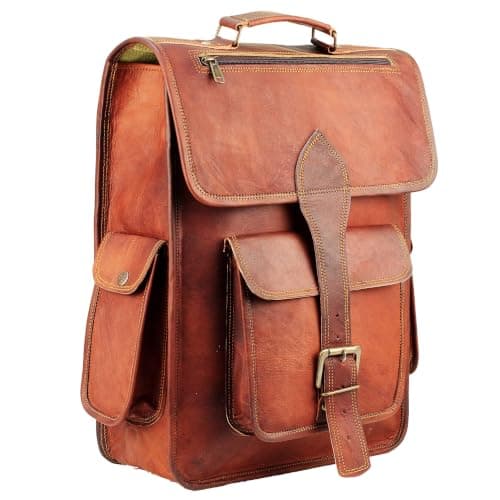
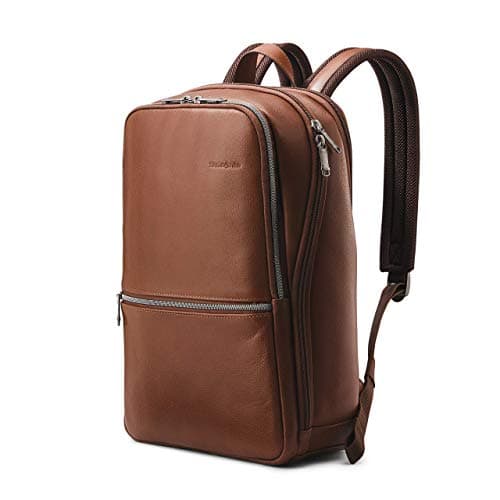
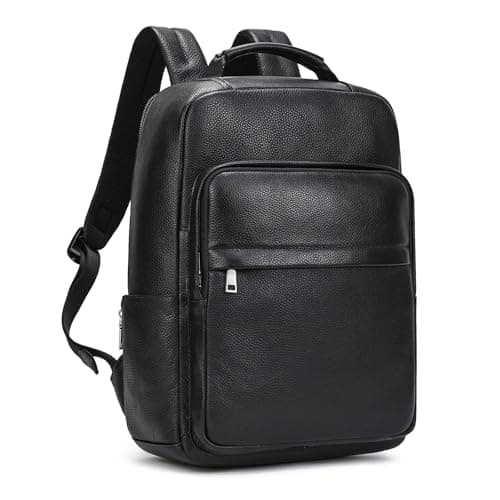
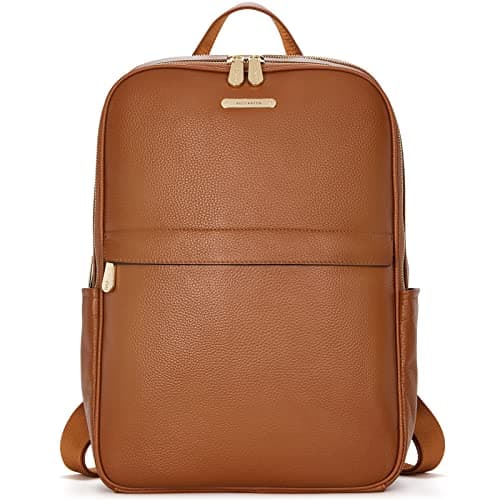
How to choose a leather backpack
Start with the machine you carry. A backpack that feels roomy around a 13-inch ultrabook can be miserable with a 17-inch laptop, so check the stated laptop fit before anything else and treat it as a hard number, not a suggestion. Then look at capacity: a slim commuter body and a full weekend-capable body are different bags, and buying the wrong one is the most common regret we see. Weight matters more than people expect, because full-grain leather is heavy on its own before you add a charger, a lunch and a water bottle. Finally, read the material line on the listing, not the marketing headline—that is where the honest answer lives.
What decides the price
Three things move the price of a leather backpack. The first is grade: full-grain leather uses the strongest outer layer of the hide, costs more than corrected top-grain or the vague “genuine leather” label, and is the grade most likely to patina rather than peel. The second is the brand and what stands behind it—an established maker with a warranty prices above an anonymous marketplace seller, and for a bag you carry daily that support is sometimes worth paying for. The third is construction and hardware: padded laptop protection, tight stitching and metal zippers that survive a daily commute all add cost you feel over years, not weeks. A cheap zipper is the part that fails first and the part you cannot repair.
The mistake buyers make
The biggest mistake is trusting the word “leather” in a title. This is worst in the women’s “leather backpack purse” category, where a large share of listings are PU or coated fabric dressed to look like hide, priced like a bargain and photographed to hide it. That is not automatically a bad buy—a good faux backpack can look sharp and cost far less—but you deserve to know which one you are actually buying. Under U.S. FTC guidance, a material that looks like leather but is not has to be disclosed as such, so scroll to the material line and read it plainly. If a listing will not state what the bag is made of, treat that silence as the answer. We flag the synthetic and coated picks by name so you are never guessing.