Buy now, or wait for November?
This is the only question that matters in September, and the answer is different for each tier. What follows is our reasoning rather than a forecast — nobody, including us, knows what any individual listing will do in November.
Care products, roughly $10 to $30 — buy now
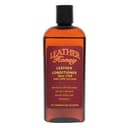
The absolute saving is the point. A 20% discount on a $20 conditioner is four dollars, which is not worth ten weeks of a dry bag. These are also the items most likely to be bought as an add-on to something else, and a bag that arrives already conditioned is a better gift than one that arrives with a promise.
Marketplace bags under $50 — buy when you see one
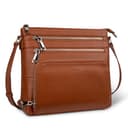
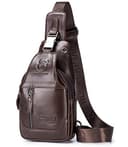
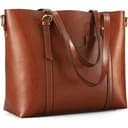
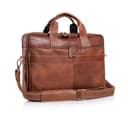
This tier is already priced close to the floor, and the discounts that appear on it are seller-level coupons of a few dollars rather than structured promotions. The bigger risk is the other direction: marketplace listings go out of stock and disappear. Our own daily price check catches that regularly — several bags this site has recommended have gone “currently unavailable” and had to be replaced with a live colorway of the same model. Waiting to save four dollars on a listing that may not exist in November is a poor trade on a gift.
Marketplace full-grain, roughly $60 to $150 — either, with your eyes open
Some sellers in this tier do run genuine seasonal coupons, and some do not move at all. If you are buying for yourself and are in no hurry, watching this tier costs you nothing. If it is a gift, the stock risk above applies here too — it is simply larger in dollar terms.
Brand-name bags, roughly $130 and up — the tier where waiting has most to gain
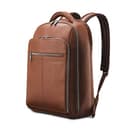
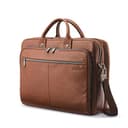
Not because brands are more generous, but because of how a discount works. A percentage-off promotion needs a list price to be a percentage of, and an established brand is where a genuine manufacturer list price is common — several of the brand-name bags we track already show one, with a strike-through and a percentage, today. Marketplace makers mostly do not have one, which is why a “50% off” badge is rarer on them and means less when it appears. That is structure, not a prediction: a list price makes a real discount possible, it does not promise one.
A gift with a date on it — buy it when the price is acceptable
The worst outcome in this category is not paying ten dollars more. It is December 20th with nothing to give because the listing you were watching went out of stock. If you have found a bag you are happy with at a price you are happy with, the deal-hunting upside is smaller than the delivery risk.
How to tell a real discount from a manufactured one
A struck-through price is a claim, and the FTC has a specific standard for it. Its guides against deceptive pricing say a former price only provides a legitimate basis for a savings claim if it was a bona fide price at which the item was openly and actively offered for a reasonably substantial period — not a figure inflated for the purpose of enabling a large-looking reduction. Where the former price is fictitious, the guides are blunt about it: the bargain is a false one.
Three checks that take less than a minute:
- Has it ever sold at the struck-through price? A strike-through that has been there for months is not a sale, it is a layout choice. The current number is the real price.
- Judge the price, not the percentage.“60% off” on a bag whose list price was set by the seller yesterday tells you nothing. Ask instead whether you would pay today’s number for today’s bag.
- Check the grade before the discount.The most expensive mistake in this category is not overpaying by twenty dollars — it is buying a coated synthetic because the percentage was exciting. Our guide to spotting fake leather is the thirty-second version.
What we will and will not publish here
When the November events open, this page gets the specific bags worth acting on, checked against the same standards as everything else on the site: the grade the listing states, a live price with the date it was pulled, and an honest note on who should skip it. If a bag we recommend is not discounted, it will not appear here just to fill the page.
What you will never see on this page is a percentage we have not seen, a deal that has not started, a countdown timer, or a claim that a price is the lowest it has ever been when we have no way to know that. Those are the four things that make Black Friday pages untrustworthy, and they are all easy to avoid by simply not doing them.