How to shop this category without being misled
Two checks do almost all the work. First, look for the word “genuine,” “top-grain” or “full-grain” in the title — a grade named in writing is a claim the seller can be held to, and the FTC’s leather guides require material that only looks like leather to be disclosed as imitation. Second, open the structured product details and read the material field. If the title says leather and the material field says polyurethane, believe the material field.
A third signal, useful when the first two are ambiguous: weight. A real-leather backpack purse of everyday size is noticeably heavier than a coated one, and sellers often publish the weight even when they are coy about the material. An unusually light “leather” backpack is usually not leather.
What we ranked on
Material first, stated as the listing states it. Then size, because this shape lives or dies on it: too small and it is a novelty, too big and it stops looking like a purse. The sweet spot is a bag that takes a wallet, a water bottle, sunglasses and a small tablet without bulging.
Then structure. A soft, unlined leather backpack collapses when it is not full, which some people love and others find sloppy. A structured one keeps its shape and looks more deliberate but weighs more and is less forgiving when overfilled. Both are on this list on purpose.
Finally, access. The one genuine drawback of this shape is that anything on your back is hard to reach. Bags that solve it — a side zip, a top flap that opens one-handed, a back-panel opening — are meaningfully more pleasant to live with, and we say which do.
The anti-theft question
Backpack purses get marketed heavily on security, and the claims deserve a plain answer. A back-panel zip is a real feature: it puts the opening against your body, where nobody can reach it while you are wearing the bag. An RFID-blocking pocket protects contactless cards, which is a small, genuine benefit. Lockable zip pulls deter a casual hand.
What none of them are is theft-proof. A determined thief with a blade gets into any leather bag. Treat these features as friction that removes the opportunistic risk, which is the risk most people actually face, and buy accordingly. Our travel crossbody roundup goes further into what is worth paying for.
Which one to buy
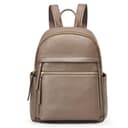
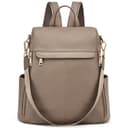
The Kattee soft daypack is the default: real leather, the right everyday size, and comfortable against the back without needing padding. If you commute through crowds or travel with it, the Kattee anti-theft version trades a little style for a back-panel opening that solves the reach problem and the security one at once.
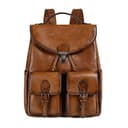
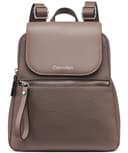
The COOLCY is the upgrade — a thicker, more structured hide in a retro rucksack shape that holds its form empty. It costs meaningfully more and weighs more, and it looks like a considered choice rather than a practical one. And the Calvin Klein Reyna is here as the brand-name option, in a coated signature material rather than hide, which we say up front. If the label and the finish are what you want, that is a legitimate purchase; it is simply not a leather one.
Living with a leather backpack purse
Two straps mean the wear points are different from a tote’s. Look after the strap attachments, which take all the load, and the base, which gets set down on floors. Do not store the bag loaded — hanging a full backpack purse on a hook for months stretches the straps permanently.
Otherwise the care is simple: wipe off dust, keep it out of direct heat, and condition it once or twice a year. Genuine leather at this weight absorbs conditioner quickly, so use a light coat and let it soak in. Our conditioning guide covers the amounts, and the storage guide covers the off-season mistakes that quietly ruin bags.