How to choose a briefcase for legal work
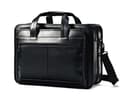
Lead with capacity, then structure, then look. Ask honestly how much paper you carry: if you regularly move files, redwelds and a laptop, an expandable briefcase like the Samsonite is the one that will not strain or bulge on your heavy days. If your carry is lighter — a laptop, a legal pad and the day’s papers — a fixed-size classic or a structured portfolio is slimmer and sharper. Whatever you choose, favor a case that stands up on a desk on its own; a bag that slumps looks less polished in front of a client or a judge.
What decides the price
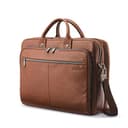
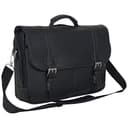
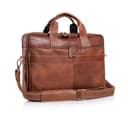
Brand, structure and leather grade. A Samsonite or Kenneth Cole costs more partly for the name and the warranty, and partly for a structured, padded, well-organized build that takes more work than a simple satchel. The KomalC comes in lower because it skips the brand premium and gives you full-grain buffalo hide in a soft satchel shape instead of a rigid case. Full-grain uses the toughest outer layer of the hide, which is why that bag reads as value even at a lower price — you are paying for leather rather than a logo.
The mistake buyers make
Buying on looks and finding out on a trial day that the bag will not hold the files. A slim, handsome briefcase is the wrong tool if you routinely carry a heavy document load — that is exactly when an expandable gusset earns its keep. The opposite mistake is buying a rugged buffalo satchel for a formal firm; it is beautiful leather, but a soft slumping bag reads casual in a conservative office. Decide your real file load and how formal your setting is, then choose the structure to match — the leather grade is the last call, not the first.