How to choose a leather backpack for work
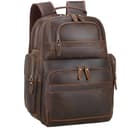
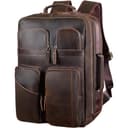
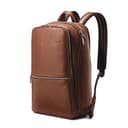
Start with your laptop size and be strict about it. A 15.6-inch bag like the standard TIDING suits most work machines; if you carry a 17-inch screen, only the 17.3-inch TIDING is guaranteed to fit, and it is a genuinely larger, heavier bag as a result. Next, weigh capacity against your commute: a full-size body carries a laptop, a change of clothes and a lunch, while the slim Samsonite trims down to a laptop-and-essentials profile that reads sharper in an office. Then think about the day-long carry—padded straps and a back panel matter once a full-grain bag is loaded, because the leather is heavy before you add gear.
What decides the price
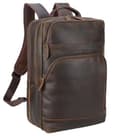
Grade and brand do most of the work. Full-grain leather sits at the top for durability and price, which is why both TIDING picks cost more than the Masa Kawa, whose listing doesn’t state a grade. An established name like Samsonite adds a premium for the brand and the warranty behind it. The details you use every day—zippers, stitching, strap padding—are where the money quietly goes, and on a bag you carry five days a week, that is money you feel over years.
The mistake buyers make
Buying for looks and discovering the laptop doesn’t fit—or barely fits, with no padding around it. A backpack can photograph as the perfect work bag and still have a laptop pocket that is a tight, unprotected squeeze. Read the stated laptop fit as a measurement, confirm the sleeve is padded, and if you are between sizes, size up rather than force a big machine into a small bag. The second trap is over-buying: a 17-inch full-grain pack is superb for a mobile professional with a big laptop and overkill for someone carrying a 13-inch ultrabook to a desk.
If organization matters more than grade
Every pick above states a laptop compartment and “multiple pockets,” and not one of them says how many or where. If you want to know what is actually inside before you buy, our roundup of leather backpacks with lots of pockets ranks bags only on the layouts their listings itemize — which is a different and much shorter list than this one.