How to choose a men’s leather backpack
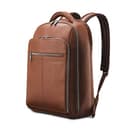
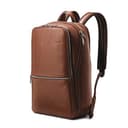
Buy for the laptop first. Match the stated fit to your machine—a 15.6-inch bag is the sweet spot for most work laptops, and a 17-inch body is a genuinely bigger, heavier bag you only want if you carry a 17-inch screen. Next decide between a slim commuter shape and a full-size body: the slim reads sharper under a coat and travels lighter, the full-size swallows a gym kit or an overnight change. Then weigh the grade against your budget and be realistic about weight, because a full-grain bag is heavy before you load it.
What decides the price
Grade, brand and hardware. Full-grain leather costs more than a “genuine leather” label because it uses the strongest part of the hide and lasts longer. An established brand like Samsonite prices above a marketplace maker partly for the name and partly for the warranty behind it. And the parts you touch every day—the zippers, the strap padding, the stitching—are where a cheap bag quietly saves money and where an expensive one earns it back over years of commuting.
The mistake buyers make
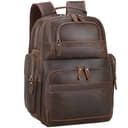
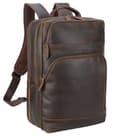
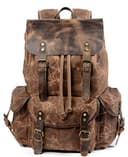
Two mistakes. The first is buying more bag than the commute needs—a full-size full-grain pack looks great and punishes your shoulders on a light day. The second is assuming every bag with “leather” in the title is all leather. The WUDON here is the honest example of a mixed build: mostly waxed canvas, leather only on the trim. That makes it a fine rugged travel pack, but it is not the same thing as the full-grain TIDING, and the listing—per FTC guidance on how imitation and part-leather goods must be described—should tell you so. Read the material line before you buy. Our guide to buying a leather backpack on Amazon works through the four checks that separate hide from a coating on a marketplace listing.