How we ranked them
Four criteria, applied in this order, and all four are things a seller has put in writing rather than things we felt.
1. The grade, exactly as stated
At this price a seller who has bought full-grain will say so, repeatedly, because it is the most expensive thing about the bag. Two picks here name full-grain. Two name leather without a grade, which is what a big luggage brand tends to do, and we record that as stated rather than guessing upward. If the distinction is new, our full-grain versus top-grain guide is the ten-minute version.
2. A laptop size the seller commits to
“Fits most laptops” is not a specification. A number is, because getting a number wrong generates returns. Five of the six picks below state a size. The sixth states a tablet size instead, and is on the page for a different reason.
3. Whether the compartment protects or merely holds
A slot a laptop fits into and a slot that protects one are different features. Padding is the word to look for, and suspension — a compartment that stops short of the base — is the one almost nobody publishes. Setting a pack down hard transmits that impact straight into the machine when the sleeve bottoms out.
4. Honest cons, on every pick
Every pack here has at least two in its card below, including the ones we rank highest. At this price the compromises are smaller than they are under $100, but they have not disappeared — the most common one is weight.
What the second hundred dollars actually buys
Four things, and it is worth knowing which of them you care about before you spend.
A grade in writing.Under $100 the honest answer is usually “genuine leather,” which means real hide and nothing more flattering. Here you can have full-grain, which is the only grade that develops the patina this site is named after. What that looks like over a few years is covered in our patina guide.
A padded laptop compartment. Not a slot. Padding is close to standard in this bracket and close to absent below it.
A seller who will still exist next year.The Samsonite picks here are the clearest version of this. You are paying for a support process and a returns path, and that is a genuine product feature rather than a brand tax — we go into what it is and is not worth in our Samsonite backpack review.
Hardware that is not the weak link.Under $100 we would expect zips and buckles to fail before the leather does. Here that is less reliably true, though almost no listing in this bracket publishes a zip brand — so we do not pretend to know either.
What it does not buy
Being straight about the ceiling matters as much as being straight about the floor. Under $200 you are still not getting burnished and painted edges, a leather or suede lining, solid brass rather than plated hardware, or a maker who will re-stitch the bag in eight years. Those things start appearing well north of this bracket, and for most people they are not worth the jump.
You are also not getting a light bag. This is the most common regret at this price: a full-grain pack is a substantial object empty, and a 17-inch model more so. If your commute is twenty minutes on foot, weigh that honestly against the grade — a lighter bag you carry beats a better one you leave at home.
Full-grain or a brand name?
This is the real decision inside this bracket, and there is no universal answer.
Buy the full-grainif you want the bag to look better in five years than it does now, you are comfortable buying from a marketplace seller, and you accept the weight. The TIDING packs here are the clearest expression of that trade — more leather, more character, more mass, and a support story that is whatever the seller decides it is that week.
Buy the brandif the bag is a work tool, you would rather it simply stayed the same for five years, and you want a phone number if a zip goes. The Samsonite picks are that, and their leather rows say “leather” without a grade because that is exactly what the listing says.
If you want the argument at more length, our full-grain backpack page is the case for one side and the Amazon shortlist is a good look at how the marketplace side of it behaves.
Which one to buy
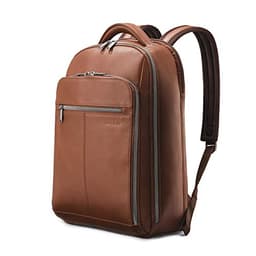
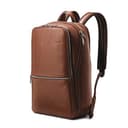
The Samsonite Classic is the answer for most people, and it is the answer for the boring reasons: real leather, padded laptop protection, a brand that answers the phone, and a price that sits inside this bracket rather than straining it.
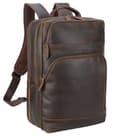
Take the TIDING 15.6-inch if you want full-grain and you are buying the bag for how it will age. Take the TIDING 17.3-inch instead only if your machine is genuinely 17 inches — it is the largest and heaviest pack here, and buying it for a 15-inch laptop is buying weight you will not use.
Take the Samsonite Slim if you want the same brand backing in a flatter, more office-neutral shape, and see our minimalist backpack page if that is the whole brief. Take the Masa Kawa if your laptop is 16 inches and you would rather not pay the brand premium.
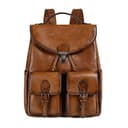
Take the COOLCY if you want a women’s-cut leather backpack in this bracket and a laptop is not part of the job. It is a day bag in real hide, and it is honest about not being a work pack — if you do need a laptop in a women’s shape, our women’s laptop backpack page is the right page instead.