What the four anti-theft features actually do
A zip across the main opening. This is the one that matters most and the one people discount. The overwhelming majority of opportunistic bag theft is a hand into an open or magnetically-flapped top. A zip converts a two-second reach into a conspicuous operation. Every pick on this page states one.
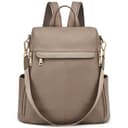
Body-facing pockets. A pocket on the panel that sits against your back or ribs cannot be reached without moving you. On the Kattee it goes further: the main compartment zip is on the back panel, so when the bag is worn the opening is flat against your body and physically inaccessible. That is the strongest geometry in this category and it costs nothing to manufacture.
RFID-blocking lining.A metallised layer in one pocket that interrupts the radio field a contactless card needs. It works, for that pocket only — a card in any other pocket is unprotected. Both bags here that state it are synthetics. Worth noting honestly: contactless fraud by proximity scanning is a far rarer loss than a bag simply being opened, so this feature is usually ranked above its real importance.
Slash-resistant panels and locking hardware. Not one listing in our registry claims either. Where a bag does not claim it, we do not say it, and you should treat any page that tells you otherwise about these specific bags with suspicion.
How we ranked them
Material as the listing states it, with the synthetics named as synthetics in the comparison table rather than in a footnote. Then the security layout— the geometry of where the openings are, which is the part that cannot be marketed away. Then the stated feature list, taken only as far as the listing commits to it.
None of these four listings publishes body dimensions or a weight, which we record as not published rather than estimating. In a travel bag that is a real gap: the thing you most want to know about a day bag is whether a passport, a phone and a bottle all fit.
The honest hierarchy of bag security
Ranked by how much loss each one actually prevents, cheapest first:
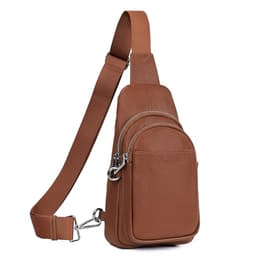
1. Wearing the bag in front of you.Free, and more effective than every feature on this page combined. It is also the entire design rationale of the sling shape, which is built to be swung to the front and opened without removing it — see our leather sling roundup.
2. A zip. Covered above, and present on all four picks.
3. A body-facing or back-panel opening.The Kattee’s layout.
4. RFID lining. Real, narrow, and usually overweighted in buying decisions.
A leather bag with a zip, worn across the front, is more secure than a technical synthetic worn slung behind your hip. That is why the real-leather picks lead this page despite claiming fewer features.
What a travel bag does to leather
Worth knowing before you choose hide over a synthetic. A bag worn against the body all day in a hot city takes sweat at the contact panel, and the damaging component is the salt rather than the water — it stays behind when the moisture evaporates and draws more in afterwards. Our guide on leather bags and sweat covers the mechanism and the fix. The synthetics here wipe clean and do not care, which is a genuine advantage and the reason they are on the list.
Which to buy
Take the befen if you want a bag that is really leather, zips shut, and does not look like equipment. Take the Kattee if you would rather have the back-panel zip layout and a convertible backpack-or-shoulder carry, and accept that it is purse-sized rather than a work bag.
Take the INICAT if the trip is the whole reason you are buying and RFID plus a wipe-clean surface matters more than material — it is a synthetic and the page says so. Take the SYTRAH if you are buying several for a family. And if security turns out to matter less to you than capacity, our travel crossbody page ranks on what fits instead.